 |
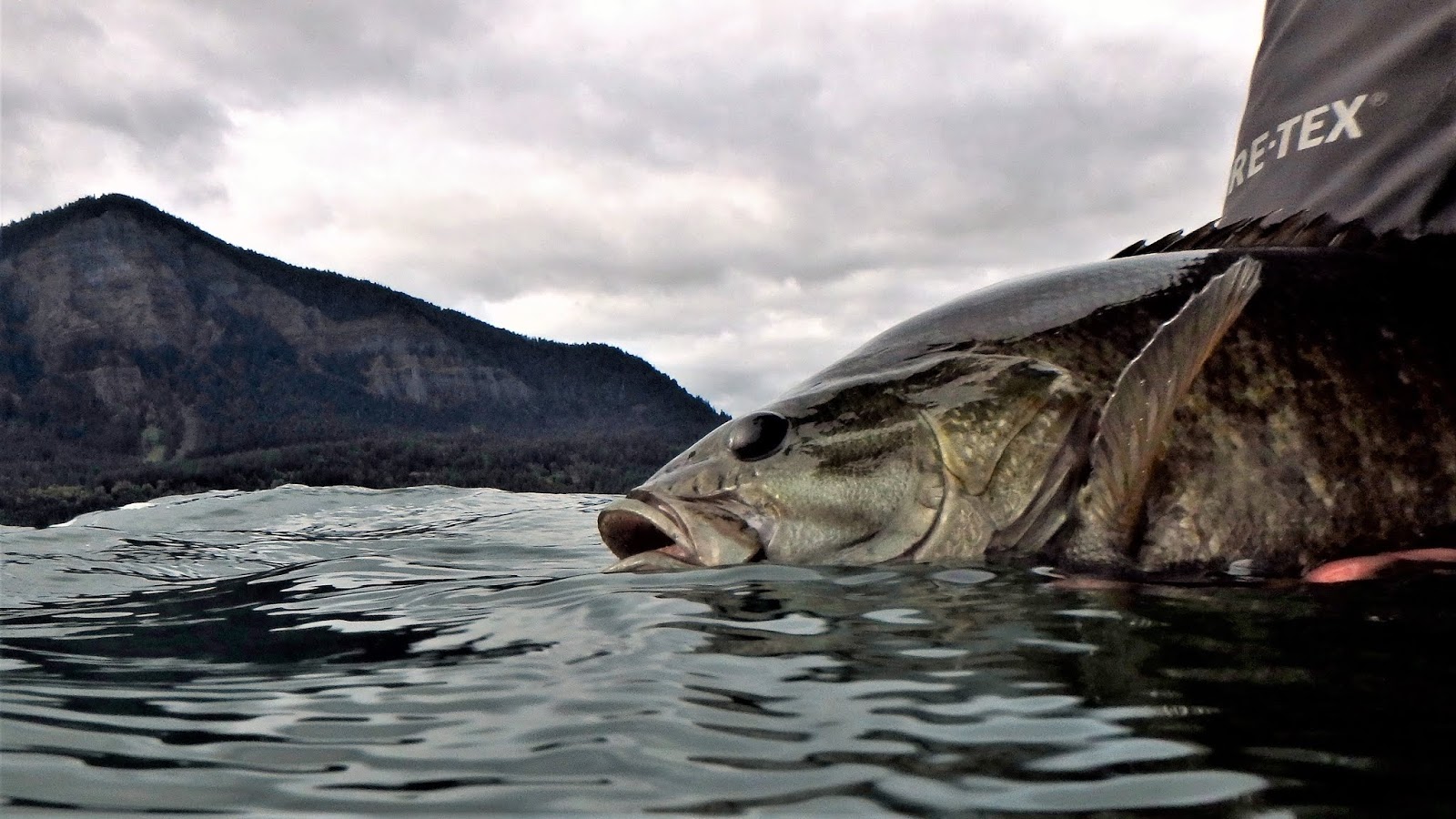
| Columbia River Smallmouth Bass |
Crawfish, Crayfish, Crawdads or Clawdads...Whatever you wish to call these armored, tasty creatures!
It's my belief that crawfish pattern flies are greatly misunderstood. So, to make a bold statement like that you'll demand I back that up. Here's my take on this and I'm going to start with shooting a bullseye right at the fly tying industry first.
CRAWFISH ARE NOT ORANGE!
I've found a lot of crawfish in nature but I've yet to find a live one colored orange. Unless you have crawfish in a pot of boiling water their color is NOT orange! But yet every fly shop fly bin has orange crawfish patterns in them.Yes, there are red crawfish in the south regions but most of us have crawfish in the brown or olive coloration. They might have hints of orange but all orange is rarely ever found in nature. If you have orange crawfish in your fly box, take them out now and let's start over, pronto!
Colors to look for are tans, browns, chocolate browns, olives, dark olives, blacks. Highlight with hints of red, chartreuse, blue and copper. My "go to" crawfish flies are brown with copper highlights or black with blue highlights or dark brown with olive highlights.
My general rule is your pattern should closely match the the bottom of where you are fishing or go with black for an increased silhouette in stained water.
 |
| Catfish Eat Crawdads |
Size
While it would seem bigger is better I prefer to keep them small and slim. Small and slim profiles sink better and since I want this fly on bottom bulky material will just slow down the sink rate or even prevent your fly from reaching bottom. I see some crawfish patterns having big bulky claws, these are not necessary. Matter of fact a crawfish pattern could not have claws at all and still be effective. Often in nature crawfish will have just one or no claws at all most likely lost in defense of predators.Back to the fly
Crawfish patterns need to have strong hooks that are tied to ride up. These characteristics along with strong tippet will give you the ability to work around heavy structure.Heavy Fly and Heavy Tippet
Along with a slim body a crawfish pattern will need to be heavily weighted in order to sink well when attached to heavy tippet. |
| Largemouth Bass eat Crawfish |
Fish it like you intend to lose it
Crawfish survive by their ability to run and hide from their prey. They scurry under rocks, boulders and wood structure and will remain relatively close to hiding spots.To make natural presentations flies need to be cast right on these structures and allowed to fall in and around them. Too many anglers spend all their efforts trying to avoid such situations when they should be aggressively going after those tough presentations.
Presentation
Once you have presented the fly try to keep sight on it as long as possible on the initial drop. Many strikes occur at those first descending moments. Don't be in a rush to start stripping. Maintain a taunt line without moving your fly. Keep on the alert for any tick movement at all times.Next action is to make 2-3 very short strips like 2-3 inch strips, short and quick! Pause....2-3 more short strips! Pause. At this point if nbo strike has accured go ahead and lift fly quickly and recast to next location.
Avoid presenting/stripping your fly all the way back to you. The longer you dredge bottom the more likely you will snag the fly. Most strikes occur on or after the initial drop and strips. No need to continue. Cast to a new spot and keep moving.
Structure
Things to cast on include, rocks, logs, root wads, quick drop offs, points and man made structures.When sun is high fish the shady sides. Imagine there is a fish under every boulder you see, More than likely there is!
About leaders and tippet
In this type of fishing I tie my own leaders. Start with a 30" section of heavy nylon monofilament in the .024" - .026" range and nail knot that directly to your fly line. No loop to loop in this setup. You want NO possible slack in this system. Hatch Professional Med/Hard Monofilament leader material is a good choice.Next slip on an indicator such as RIO's Kahuna LT. Slide that right up to the nail knot. This indicator is not intended to float your fly instead, together with the mono butt section it is to keep the tip of your fly line on the waters surface and provide sight reference to help detect those slightest of strikes.
Next tie on 30" of 30# Hatch Fluorocarbon Leader, then 30" of 25#, then onward to 20# and in most cases I'll end in 16#. You got to be the judge of what your final tippet needs to be in order to avoid detection. Hatch Fluorocarbon Tippet works great for all of this.
Personally I believe if you fish this fly correctly you won't have tippet shy problems.
All blood knots, no loop to loops. Tie fly on direct with a improved clinch knot. No loop knots!
The idea of this leader is to keep your fly line tip afloat while the rest of the leader is free to sink as deep as needed. The indicator will help keep the fly line floating, provide strike detection, and if it sinks you will know that depth has exceeded your leader length.
 |
| Even Crappie will eat a well presented Crayfish |
The Strike
Strike detection is the utmost importance to succeed in this fishing. Big predators that eat crayfish typically engulf and crush the crawfish in order to kill it and avoid being pinched. Strikes are usually not an eat and run ordeal. One slight tick on your indicator my be the only sign of a strike you will get. Don't hesitate, hook set immediately.I've watched countless many times anglers detect the initial strike and remain still waiting for something bigger to happen. I always say the next tick in the line will be him spitting it out. Hook sets are free, all day long! Take advantage of that. I'd rather find out I set on nothing than miss a possible catch of a lifetime.
Hint...the biggest bass will strike the lightest
It took me years to feel confident in fishing craw patterns on fly rods. I hope this info can help advance you along much quicker path than I did. It's become one of my favorite ways to fly fish for big predators.
Greg

Greg Darling