Showing posts with label sage. Show all posts

May 31, 2023

GFS Stillwater Kits - Hand Selected

Sage R8 Core with Galvan Torque Reel & Spool

One stop shop lake game. High mountain lakes are just getting in motion or just thawing out. No matter it's high time to hit the mountain lakes. Travis put together a couple outfits to make it easy to see what an angler should be thinking about. 

Echo Stillwater 5100-4 with Lamson Liquid 3-pack Reel & Spools


https://www.gorgeflyshop.com/store/pc/Sale-Closeouts-c38.htm

"The Gorge"

Gorge Fly Shop Team - 541.386.6977


"Fly Fish the World with Us"

Jun 28, 2019

Grand Opening Thank You

Thank You Everyone 


Over 200 guests came out for our Grand Re-Opening Party of Gorge Fly Shops' New location. So nice to have room for parking, events, casting and just hanging out.

EVERYONE can't wait for next years event and though that has not been decided upon I believe it's unanimous among all that this has to happen annually.


I have to say I don't think anyone of us here at "The Gorge" anticipated the benefit of large events like this to come from moving away from downtown Hood River. The change has brought a new vibe to our fishing community.


The weather was perfect and Mt.Adams in the backdrop just emphasizes the mountain life going on here.

Call it a rebirth, revitalization, or a reunion! Along with this party came a sense of togetherness which I haven't seen for some time in this local fishing community.


We owe it all to you!
Thank you to all the guests who came out and supported us. Also Thank You to all who couldn't make it and yet you shared it, sent your family and your friends. How cool is that!

Thank You to all the Reps. We appreciate your time and your willingness to participate. Your interactions with our customers is invaluable.

Thank You to all the Reps and Manufacturers who donated products for our prize giveaways. Many happy customers won some really great gear.

Thank You to the Deschutes River Alliance and Fly Fishing Collaborative for being on hand to share the good things happening and the long road ahead.

Thank You to Freebridge Brewing and Jola's for the great eats and drinks.

Thank You to our local guides for participating and bringing your boats. Your continued support is much appreciated.

Same Place Next Year!!!
(we'll keep you posted on the date)
Thanks Again from all of us at
"The Gorge"


https://www.gorgeflyshop.com/store/pc/Sale-Closeouts-c38.htm
Gorge Fly Shop Team - 541.386.6977


"Fly Fish the World with Us"

May 23, 2019

Sage Trout Schools

Sage On The Water Trout School Overview

Gorge Fly Shop is proud to announce Sage continues to offer great opportunities by offering these Sage Trout Schools provided for the 2019 angler season. Dig deep in all the details below and be sure to click the Book Now or Contact links to have an agent contact you directly to go over any questions you may have.

Dates:
  • July 21 – 26, 2019
  • August 11 – August 16, 2019
  • September 29 – October 4, 2019
School Overview

The Sage On The Water Trout School is the ultimate educational course to improve an angler’s trout fishing. The school combines on-site instruction and education with on-the-water guided fishing, for a holistic approach to learning and improving your fly fishing for trout. The location – Sage Lodge in Paradise Valley, Montana – is paramount, offering easy access to several different fly fishing venues: the Yellowstone River, the famous Paradise Valley spring creeks, and Yellowstone National Park. Students will have guided fishing days in three distinct methods – from a drift boat, walk-and-wade fishing on a freestone river, walk-and-wade fishing on a spring creek – with location-specific instruction prior to each.


The School’s format is a mix of presentations and discussions, instruction, and guided fishing. Venue-specific educational modules prepare students for the following day’s instruction and fishing.


May 20, 2019

Predator Hunt - Rigging and Fishing Crawfish Patterns

Columbia River Smallmouth Bass


Crawfish, Crayfish, Crawdads or Clawdads...Whatever you wish to call these armored, tasty creatures!


It's my belief that crawfish pattern flies are greatly misunderstood. So, to make a bold statement like that you'll demand I back that up. Here's my take on this and I'm going to start with shooting a bullseye right at the fly tying industry first.

CRAWFISH ARE NOT ORANGE!

I've found a lot of crawfish in nature but I've yet to find a live one colored orange. Unless you have crawfish in a pot of boiling water their color is NOT orange! But yet every fly shop fly bin has orange crawfish patterns in them.

Yes, there are red crawfish in the south regions but most of us have crawfish in the brown or olive coloration. They might have hints of orange but all orange is rarely ever found in nature. If you have orange crawfish in your fly box, take them out now and let's start over, pronto!

Colors to look for are tans, browns, chocolate browns, olives, dark olives, blacks. Highlight with hints of red, chartreuse, blue and copper. My "go to" crawfish flies are brown with copper highlights or black with blue highlights or dark brown with olive highlights.

My general rule is your pattern should closely match the the bottom of where you are fishing or go with black for an increased silhouette in stained water.

Catfish Eat Crawdads

Size

While it would seem bigger is better I prefer to keep them small and slim. Small and slim profiles sink better and since I want this fly on bottom bulky material will just slow down the sink rate or even prevent your fly from reaching bottom. I see some crawfish patterns having big bulky claws, these are not necessary. Matter of fact a crawfish pattern could not have claws at all and still be effective. Often in nature crawfish will have just one or no claws at all most likely lost in defense of predators.

Back to the fly

Crawfish patterns need to have strong hooks that are tied to ride up. These characteristics along with strong tippet will give you the ability to work around heavy structure.

Heavy Fly and Heavy Tippet

Along with a slim body a crawfish pattern will need to be heavily weighted in order to sink well when attached to heavy tippet.

Largemouth Bass eat Crawfish

Fish it like you intend to lose it

Crawfish survive by their ability to run and hide from their prey. They scurry under rocks, boulders and wood structure and will remain relatively close to hiding spots.

To make natural presentations flies need to be cast right on these structures and allowed to fall in and around them. Too many anglers spend all their efforts trying to avoid such situations when they should be aggressively going after those tough presentations.

Presentation

Once you have presented the fly try to keep sight on it as long as possible on the initial drop. Many strikes occur at those first descending moments. Don't be in a rush to start stripping. Maintain a taunt line without moving your fly. Keep on the alert for any tick movement at all times.

Next action is to make 2-3 very short strips like 2-3 inch strips, short and quick! Pause....2-3 more short strips! Pause. At this point if nbo strike has accured go ahead and lift fly quickly and recast to next location.

Avoid presenting/stripping your fly all the way back to you. The longer you dredge bottom the more likely you will snag the fly. Most strikes occur on or after the initial drop and strips. No need to continue. Cast to a new spot and keep moving.

Structure

Things to cast on include, rocks, logs, root wads, quick drop offs, points and man made structures.
When sun is high fish the shady sides. Imagine there is a fish under every boulder you see, More than likely there is!

About leaders and tippet

In this type of fishing I tie my own leaders. Start with a 30" section of heavy nylon monofilament in the .024" - .026" range and nail knot that directly to your fly line. No loop to loop in this setup. You want NO possible slack in this system. Hatch Professional Med/Hard Monofilament leader material is a good choice.

Next slip on an indicator such as RIO's Kahuna LT. Slide that right up to the nail knot. This indicator is not intended to float your fly instead, together with the mono butt section it is to keep the tip of your fly line on the waters surface and provide sight reference to help detect those slightest of strikes.

Next tie on 30" of 30# Hatch Fluorocarbon Leader, then 30" of 25#, then onward to 20# and in most cases I'll end in 16#. You got to be the judge of what your final tippet needs to be in order to avoid detection. Hatch Fluorocarbon Tippet works great for all of this.
Personally I believe if you fish this fly correctly you won't have tippet shy problems.

All blood knots, no loop to loops. Tie fly on direct with a improved clinch knot. No loop knots!

The idea of this leader is to keep your fly line tip afloat while the rest of the leader is free to sink as deep as needed. The indicator will help keep the fly line floating, provide strike detection, and if it sinks you will know that depth has exceeded your leader length.

Even Crappie will eat a well presented Crayfish

The Strike

Strike detection is the utmost importance to succeed in this fishing. Big predators that eat crayfish typically engulf and crush the crawfish in order to kill it and avoid being pinched. Strikes are usually not an eat and run ordeal. One slight tick on your indicator my be the only sign of a strike you will get. Don't hesitate, hook set immediately.

I've watched countless many times anglers detect the initial strike and remain still waiting for something bigger to happen. I always say the next tick in the line will be him spitting it out. Hook sets are free, all day long! Take advantage of that. I'd rather find out I set on nothing than miss a possible catch of a lifetime.

Hint...the biggest bass will strike the lightest

It took me years to feel confident in fishing craw patterns on fly rods. I hope this info can help advance you along much quicker path than I did. It's become one of my favorite ways to fly fish for  big predators.

Greg


Greg Darling 


"My Passion For Fishing Is A Lifelong Pursuit Of Discovery"

Sep 4, 2018

On the Hunt - Targeting Big Smallmouth

Slurped in a hellgramite fly pattern drifted under an indicator deep in a tailout seam on a little canoe stream in Midwestern, USA
Anyone can catch smallmouth bass. Shoot, you might even catch some big ones if you hit the spawn season just right. But when it comes to targeting big fish year around most anglers, (sorry guys but especially most fly anglers), have no clue where to find them. One can always play the game of chance but if you want to consistently find big smallmouth here are some guidelines you need to follow. 

Fish where there are big fish

Not every smallmouth fishery has big fish. They need proper food sources, good growing seasons, not too much angling pressure and ample room to grow. I have fished many small rivers and reservoirs that have a hard time producing big fish. It's not always that big fish are not there. It's just the big fish are so outnumbered by the small eager fish that the odds of contacting a big fish are slim to none. Also, I believe big fish can become well educated through catch and release and many have grown resistant to artificial offerings, fly or otherwise. But despite all that just match the right size gear to your fish and they are all fun. Meanwhile there are things you can do to up your odds for catching the larger specimens in your water. 
100 yds offshore on a rock in 20' foot of water...Smallies live there

Get off the bank

Big smallmouth hate the bright sun and they like security. They didn't get big by exposing themselves to predators. In the heat of summer and bright light of day an angler needs to think safety and shade while still set up on points of interest for ambushing food. Often, late evening, night time and early morning approach is your best odds but if you know where to look in middle of the day you can still find success. 

Stream and small river environments can be pretty easy to pick apart. Determined how deep you can see and double that to figure a starting point for safe habitat. In summer flows I look at outside bends with deep slots and/or undercuts. While wood structure should never be overlooked smallmouth will always prefer rock structure first. The combination of rock and wood should be a sure thing. 

Tailouts! These areas should be probed intently. The top header photo fish was taken from a tailout. The stream he came from is not known to produce big fish. One can fish this stream a lifetime and never see a 20" smallie but that doesn't mean they're not there. It took several drifts and adjustments with a float and fly setup to get him to eat and he ate in the middle of a sunshine day. 

Moon lit summer nights can get smallies looking up
Lakes and reservoirs can be much more difficult in the shear fact that fish have the deep option to retreat to. Focus on areas of sharp drop offs and rocky points. Deep shoreline with shade can be productive. Low light and night time can excel your odds when fish will become relaxed and start to go on the hunt for food. 

Big streamers equal big fish right? Sometimes!

I find the go big or go home approach works best when fish are up and active such as times like early season, spawn season and some low light conditions including cloudy and rainy days. But more often then not my big summer catches are on topwater or suspension tactics. Big streamers should always be an option but I warn you, be quick to set it down and reach for another tactic. 

This crawfish was spit up by a 14 inch smallie. It sits next to a 5" Swinging D. Big is not always the answer but it certainly should not be overlooked

Suckers for topwater

Topwater is probably your best game for big summer bass. The great feature of topwater is even if they fail to eat sooner or later bass will give away their location and current attitude. While we wish for solid strikes be aware of your fly being met with refusals, swirled on, or an aborted strike attempts. You can get a good read on a bass' current mood by how they react to a topwater. Even if their current mood is not desirable for you chances are you will witness this mood change at some point through the day. Use the information of any topwater reaction to measure their mood and if necessary try a different approach.

Deer hair Sliders can elicit good strikes with the realistic dive, swim action on strip retrieve and bubble trail they produce

The suspension approach

When streamers don't get attention and topwater gets refused I reach for a float and fly. It might sound odd that I will apply a float to my bass game but I find it extremely affective. While I couldn't tell you the last time I indicator trout fished because it's been so long ago, I can tell you I've fished an indicator for bass less than a week ago from this writing. I personally no longer go bassin' without a rod rigged with float and fly. 

But why? Just because bass won't chase a streamer or break surface for a topwater doesn't mean they won't eat. Bass themselves can often get into a suspended, or lazy state and easily resist tried and true techniques. 

I use this for an example: Think about your favorite desert. For me that is ice cream. You just finished a big dinner on a night out. The server ask if you want desert? "Hmm, no thank you". A mix up happens or maybe your server is working for a better tip and the next thing you know there is a dish of ice cream in front of you. Are you going to eat it? I bet you a fly rod you'd at least take a couple bites. 
Sage Method 690-4, WaterWorks Lamson Force SL #2, Scientific Angler Amplitude Anadro WF6F
Smallies are no different. They may not always be in the mood to eat but a carefully place attractive food item will rarely be passed upon. This is where the suspension technique really shines. Place an offering in plain view that either drifts naturally through the holding seam or sits stationary in the mr. smallies shaded holding pocket and chances are he'll eat it. On many occasions, Float a fly under an indicator can make your day go from tough to incredible real quick. Also, don't be confuse that it's just a small fish technique. I've landed some of my biggest smallies with float and fly. 

Wrap it up!

Of course fishing is greatly a game of chance and many just get lucky, but to consistently catch big smallmouth bass a scientific approach is needed to succeed. I've fished for smallies most of my life in waters from east to west and north to south. I darn near always find fish but rarely find the fish I call trophies. Although, I am finding those 20" plus fish more often than ever and I can tell you I had to learn new tricks and change the way I looked at these predators in order to more consistently achieve trophy hunter success. Solely playing a game of chance I just no longer find acceptable.


Greg Darling 


"My Passion For Fishing Is A Lifelong Pursuit Of Discovery"

Aug 23, 2018

Sage: Spey School

Spey School
Spey School - Grande Ronde River

SPEY SCHOOL 2018

Join renowned Spey casting instructor and Sage Ambassador Scott O’Donnell and his crew of die-hard steelhead guides at Speywater Lodge for three days of Spey instruction and steelhead fishing. Scott and his crew are master instructors and the Grande Ronde is the best place we know of to learn the art of Spey casting and improve your swing fishing skills. 

In addition to the professional instruction and world-class fishing, Sage will have their entire portfolio of Spey rods with matching RIO Spey lines available for you to try. No need to bring gear from home – each and every Sage Spey rod and reel will be on hand for you to test, cast and fish. Try a variety of steelhead Spey rods – from 11’ 5-weights to 14’ 8-weights.

The Sage On The Water Spey School is an incredible opportunity to learn or improve your Spey casting and steelhead fishing with some of the best instructors around, all while fine-tuning a personal setup . All of this along the banks of the beautiful Grande Ronde River outside of Troy, Oregon. If your flying into PDX or traveling through Hood River be sure to stop by the shop.

Spey School
Casting & Techniques: Learn from some of the finest Northwest steelhead guides.

Over the course of three days you will learn:

  1. Choosing a rod for the fisheries and species you’re targeting
  2. Pairing lines and rods 
  3. Line design and uses – Skagit, Scandi, mid-head, long head 
  4. Reading steelhead water 
  5. Fly tying steelhead patterns 
  6. Matching lines with rods and fishing styles 
  7. Basic and advanced Spey casting techniques 
  8. Basic and advanced swing fishing techniques 

Group Size: 8

Dates: 
October 10 – 14, 2018
November 4 – 8, 2018

Rate: $2,400 per person for a 4 night/3 day package

Included: Accommodations and meals at lodge, guided fishing, flies and leaders, entire Sage Spey rod lineup, entire Rio Spey line offering.

Not Included: Airfare, rental car, gratuities, fishing licenses, and alcohol.
  

Itinerary:

Day 1: 
3:00PM: Arrive at Speywater Lodge
Cocktail Hour: Introduction to tackle and rigging

Day 2: 
8:00AM – Noon: Casting Demonstration and instruction concentrating on Double Spey and Snap T with floating lines and tips. Noon – 1:00PM: Lunch at the lodge

1:00PM – 5:00PM: Guided fishing with professional instructor Cocktail Hour: Line design and uses – skagit, scandi, mid-belly, long line.

Topics covered during guided fishing:

  • Reading steelhead water
  • Casting for the type of water
  • Line / tip choice for the type of water
  • Fly choice 
  • Fly presentation. 
Day 3:
8:00 – 10:00AM: Demonstration on casting skagit, scandi, mid-belly, long line. Introduction to single Spey.
10:00AM – 5:00PM: Guided fishing with professional instructor Cocktail Hour: Choosing a rod for the fisheries and species you’re targeting – pairing lines and rods.

Day 4: 
8:00AM – 5:00PM: Guided fishing with professional instructor. Post Dinner: Fly tying demonstration

Day 5: 
Depart lodge for home or points beyond.

Spey School - Grande Ronde

GRANDE  RONDE  PERFECT  SETUPS

At Spey School, you’ll have access to Sage’s full lineup of Spey rods and reels with all RIO Products’Spey lines to match. This is a great opportunity to create your own Perfect Setup for your home waters, or any fishery you may be visiting in the future. That said, we’ve spent countless days on the Grande Ronde, so if you’re looking for our favorites we feel confident in suggesting the following Perfect Setups for Grande Ronde steelhead.
GRANDE  RONDE  PERFECT  SETUP  –  SKAGIT  /  SINK-TIP  FISHING  
Rod:  6120-4  X
Reel: SPEY  Reel  6/7/8  
Line: RIO  Products  Skagit  Max  Short,  450  grains  
Tips: RIO  Products  InTouch  Skagit  MOW  Tips,  Medium.

GRANDE  RONDE  PERFECT  SETUP  –  SCANDI  /  FLOATING  LINE  FISHING
Rod:  6126-4  IGNITER
Reel:  SPEY  Reel  6/7/8
Line:  RIO  Products  Scandi  Shooting  Head,  400  grains.

For more Information
Regarding the Sage: Spey School

For more Information 
Regarding Sage, RIO or getting geared up, contact us today.

https://www.gorgeflyshop.com/store/pc/Sale-Closeouts-c38.htm

"The Gorge"

Gorge Fly Shop Team - 541.386.6977


"Fly Fish the World with Us"


Jul 11, 2017

IFTD Demo Day - Orlando, Florida


Day One in Orlando kicked off a demo day event put on by IFTD. Set up on the 18th hole of a golf course complete with lake. Not only did we get to cast on actual water but the golf course fairway gave new appreciation for casting on the grass.

Several manufacturers set up for the event including Simms, G.Loomis, Scientific Anglers, Lamson and Sage. If was really nice to cast some rods in the outdoors verses the indoor convention center.


S/A displaying some new additions to the popular Amplitude series of lines including a new Bonefish, Tarpon, Trout and Anadro. Note in the Mastery Series is the New Titan Long. I'm very familiar with the standard Titan so naturally I spent some time casting the new Long version. This line really handles well and carries a cast with authority. I've ordered WF8 to use with warmwater froggin`. Look for a review coming soon.

I also got to cast the New RIO Flats Line. This was another line that really impressed. It's a great blend of powerful head yet carries well. Look for more on that soon too.

Breakfast provided by...
Waterworks-Lamson introduces Center Axis


You're going to see a lot of media of this concept from Lamson. I got to test cast it along side it's counterpart,  (same rod with standard seat), and can tell you they are quite different. I'm not sure how to describe it other then "different". I think a season caster will need some time to get use to the idea were as a new caster will be more likely to approve the concept immediately. Time will have to tell us.

Waterworks-Lamson Cobalt

In my opinion, if there is a "Wow Factor" From Lamson, the new Cobalt Saltwater Reel is it. Cobalt possesses a bold and rigid yet clean look. It features are endless including such items as totally sealed drag system and titanium hardware. Saltwater anglers will appreciate the spool lock down feature. Many more features than I could take in at the time. More to come this new serious contender for the salt.

Speaking of Salt...
I got to test cast the new Sage Salt HD. Like the Sage X, there is something really different about this Konnetic HD material. You just feel completely connected! You know that feel when you throw a fly rod into a backcast and for a brief moment you lose connection until the line starts to load the rod again? That loss of connection does not happen with the Sage Salt HD or the Sage X.

G.Loomis IMX PRO
I can't wait to get one of these in my boat. I got time with the 1-piece streamer version of this rod in the 8wt. The first detail I noticed was the clean look of the cork/reel seat. It's a very straight forward appearance of a rod that's designed to go to work, guide work! Than during test casting and actually fishing the new IMX PRO, I couldn't help notice it's ability to smoothly load progressively throughout varying ranges. I preferred a shooting head type of line on this stick which is exactly what I would equip this rod with for powerful streamer work. Watch for full reviews coming soon.

That's just a briefing on what's to come. More Soon!

Also to add a word of Thanks to IFTD  and AFFTA for arranging this awesome chance to gather and test some new gear. They put together an awesome event and i'll be sure to be back again next year.


Greg Darling 


"My Passion For Fishing Is A Lifelong Pursuit Of Discovery"

Jun 30, 2017

Sage Summer Sale - 2017

Save Big on Sage

Sage Salt Sale

Winner of 2014 IFTD Best New Saltwater Fly Rod. Sage Salt fly rods with Konnetic Technology have a unique ability to load easy for short cast yet retain strong bones for long distance. These are great casting fly rods and great looking fly rods. I really like the Laser etched rod weight on slide band of the reel seat. Hard to believe they are going away so soon. I'm betting we're going see a new Salt action rod with Konnetic HD Technology found in the New Sage X. We'll know what's up at ICAST/IFTD coming in July. Comes with black rod bag and blue powder coated aluminum rod tube and Sage's Lifetime Warranty. Original retail price $850   Sale Price $529.95

SALT on sale for $529.95

Sage Bolt Sale

The Bolt is a unique ultra fast action rod. It's 6, 7 and 8 weights are favored by big streamer anglers. It's got some backbone to move heavy sink tip lines. The 4 and 5 weights can throw for distance with fast line speed and tight loops. Built on Sage's Generation 5 Technology the Bolt performs as good as it looks with its Salmonfly blank color. Comes with ballistic nylon divided rod tube and Sage's Lifetime Warranty. Original retail price $650   Sale Price $419.95

BOLT on sale for $419.95

Sage Accel

If your wanting a good modern medium-fast action good looking rod, you'd be hard pressed to find a better offering then the Sage Accel. Built lightweight and responsive with Sage's Generation 5 Technology, this emerald green rod delivers performance without compromise. Comes with ballistic nylon divided rod tube and Sage's Lifetime Warranty. Original retail price $650   Sale Price $419.95
ACCEL on sale for $419.95

Sage Accel Two Hand

Like the Accel single hand rods, the Accel Spey and Switch models deliver performance without compromise. They are comfortable to cast all day long with actions that perform no matter if you are an expert caster or just getting started. Comes with ballistic nylon divided rod tube and Sage's Lifetime Warranty. Original retail price Switch=$750  Spey=$850  Sale Price $479.95 - $529.95
ACCEL SPEY on sale for ($479.95-Switch)-($529.95-Spey)

Sage Approach

Made in USA entry level Sage Approach Rods are anything but "entry level". Approach rods have a great medium-fast feel that is easy to grow into without growing out of too quickly. Comes with divided rod tube and Sage's Lifetime Warranty. Original retail price $350   Sale Price $219.95
APPROACH on sale for $219.95


Sage Approach Outfits

Great way to outfit yourself. Many new anglers never have a need for more than one fly rod and reel for the fly fishing they do. This is that lifetime outfit! Quality Sage Approach Rod, Quality Sage 2200 Series Reel Quality RIO Gold Fly line. Do you like to get it right the first time...This is the right one! Comes with divided rod/reel tube and Sage's Lifetime Warranty. Original retail price $550   Sale Price $359.95
APPROACH OUTFITS on sale for $359.95

Sage 4200 Series Fly Reels

High quality lightweight sealed disc drag fly reel with an affordable price and many sizes and colors to chose from. Original retail price $289 - $319   Sale Price $189.95 - $209.95
Click to show all 4200 Series Reels


Sage 3200 Series Fly Reels

Lightweight, extremely durable and packed with features you’d expect on higher priced reels, this one just goes out and quietly performs day after day. Original retail price $199 - $259   Sale Price $129.95 - $169.95
Click to show all 3200 Series Reels


Gorge Fly Shop 


"Fly Fish the World with Us"

May 8, 2016

The Lake Line Shootout!

Feel lost in a sea of lake lines?

There comes a time when things need to be broken down and analyzed.  Sometimes the choices in fishing and life can be totally overwhelming. While preparing for our annual desert lake fishing extravaganza I was having a hard time choosing which lines to bring.  If I work at a shop and felt that way, anyone who doesn't work in a fly shop would certainly be feeling the same way or even more distraught.  

Decisions, decisions...  Let me help you avoid the lake line conundrum.


My goal in this article is to give you recommendations for lake lines from each of our major companies: Rio, Airflo, and Scientific Anglers.  Each company (Thanks Georgie, Eric and Garry!) was kind enough to supply me with an assortment of lines to cover most any lake situation you might encounter, from floating to fast full sink. 


Here is the starting lineup!

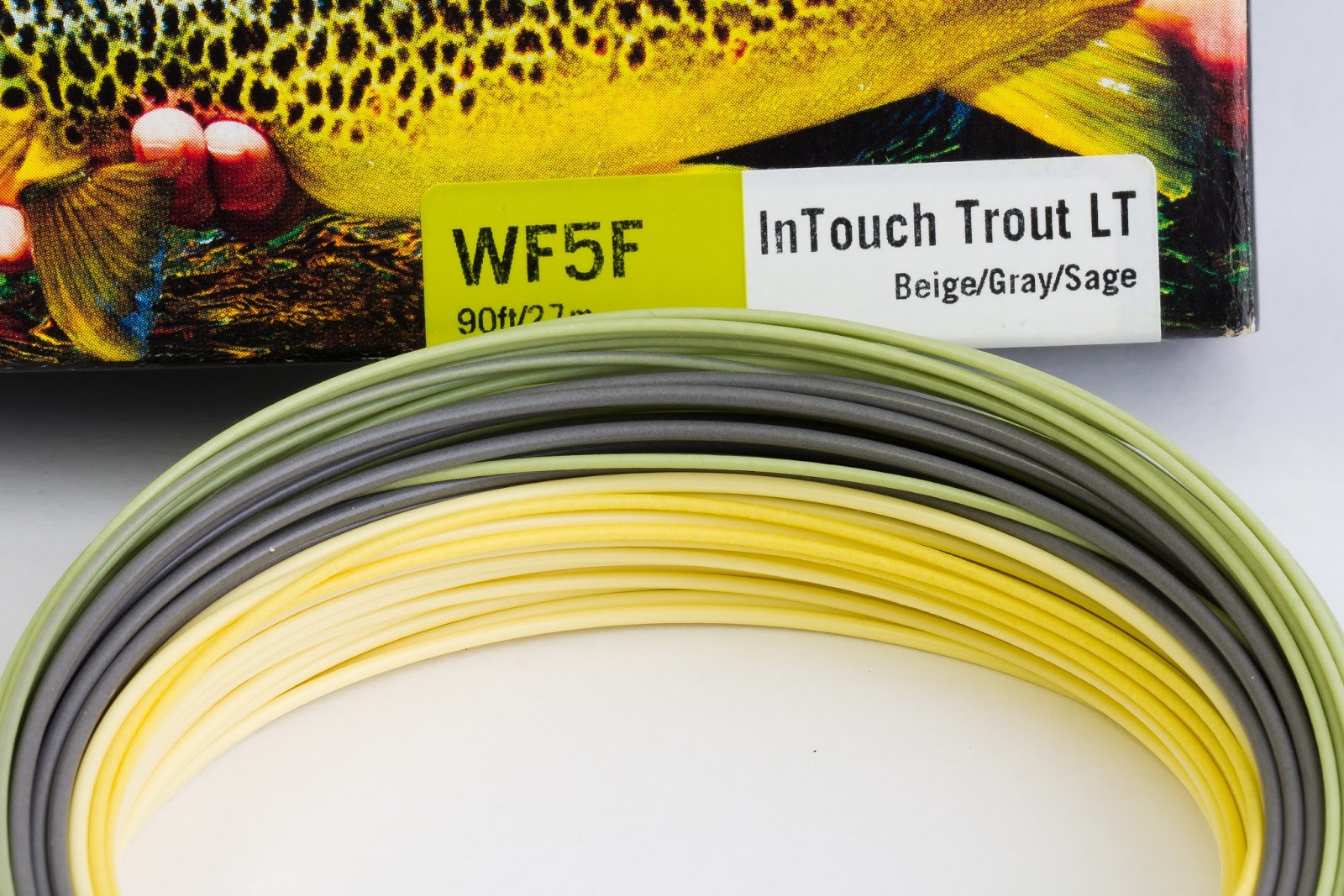
Rio InTouch Trout LT WF5
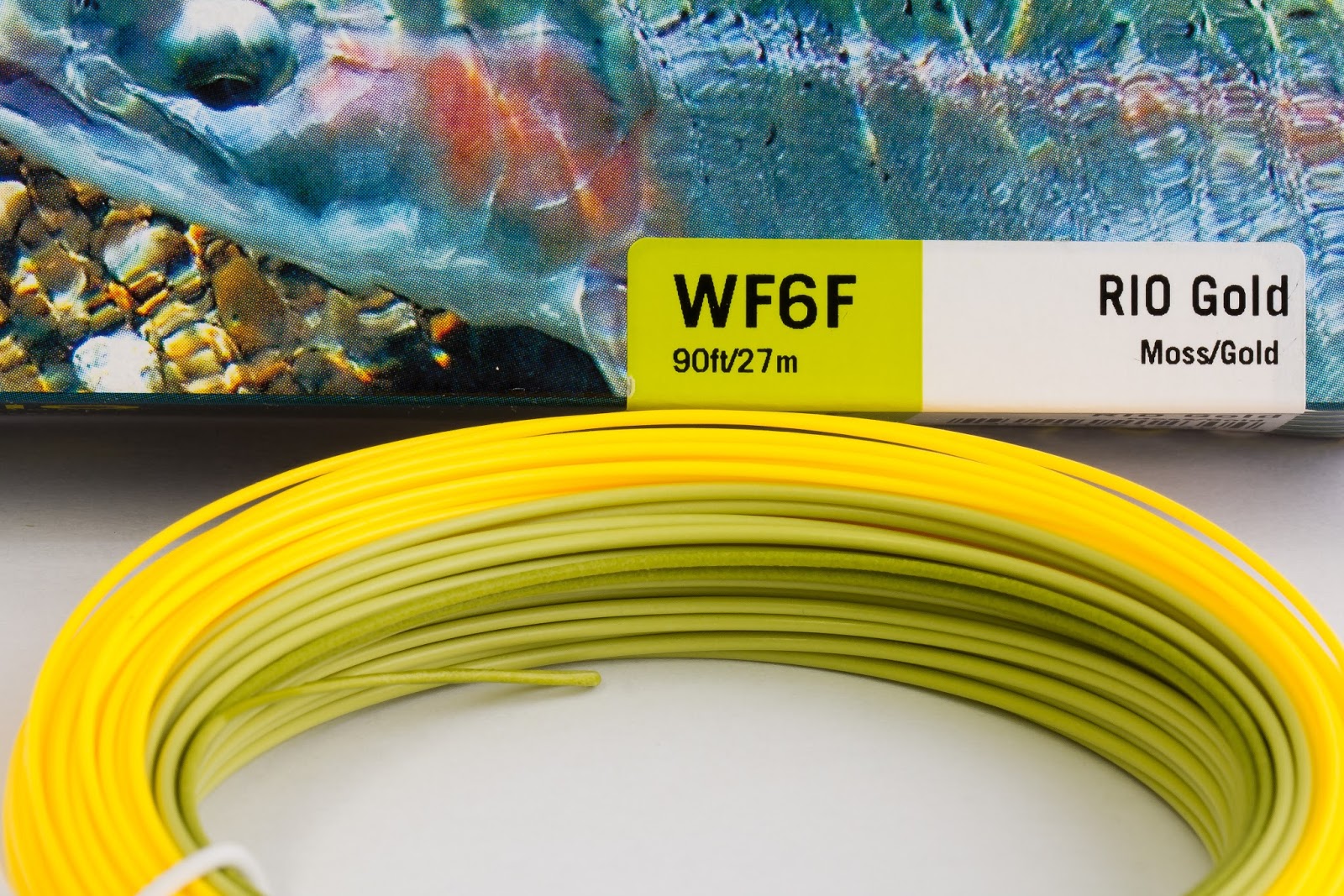
Rio Gold WF6
SA Mastery SBT WF5

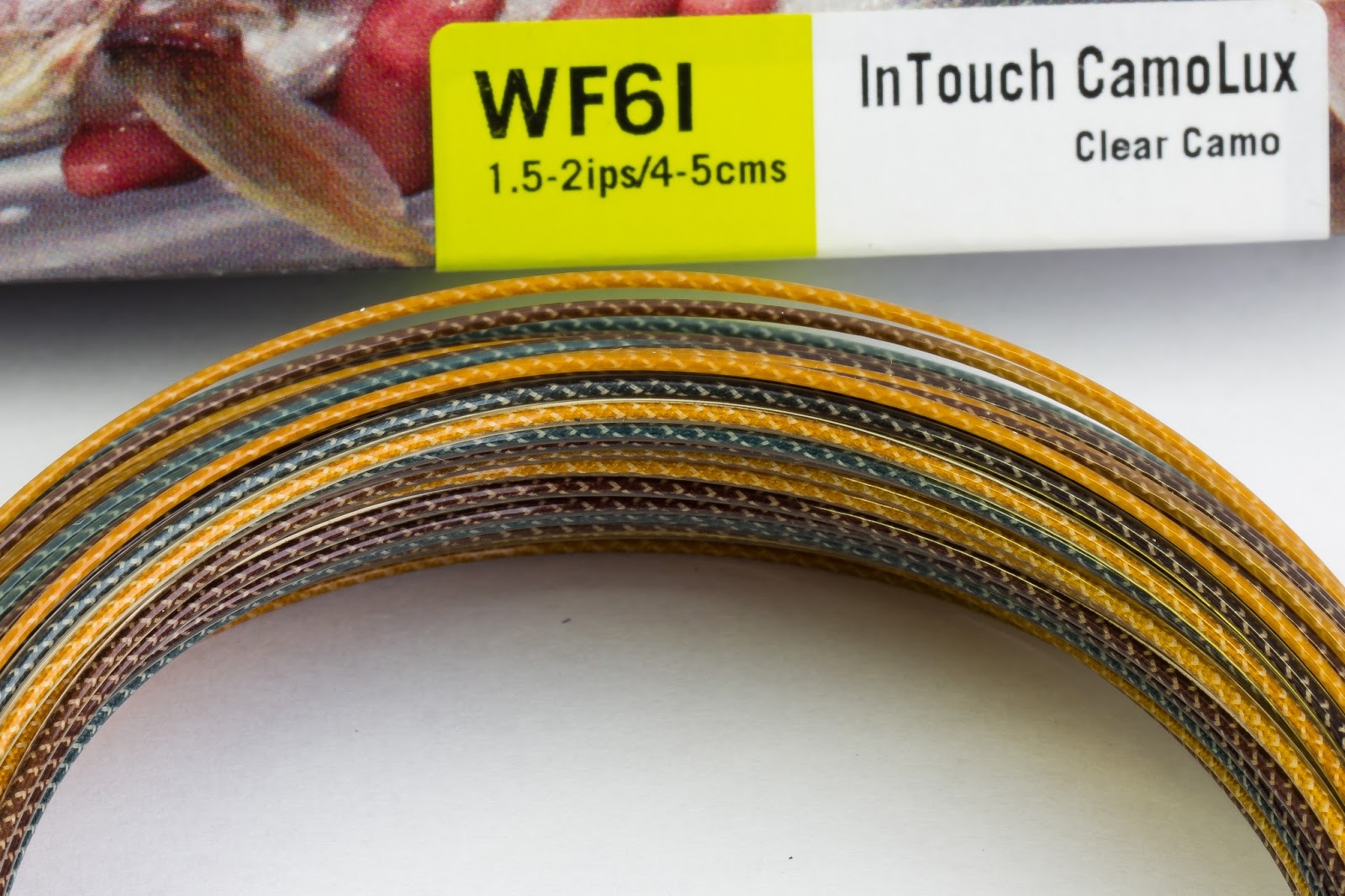
Rio InTouch Camolux WF5
Airflo Camo WF6
Airflo Ridge Clear Delta Slow Intermediate WF6/7
SA Sonar Stillwater WF6

Rio InTouch Deep 6 WF6
Airflo Sixth Sense Sink 7 WF6/7
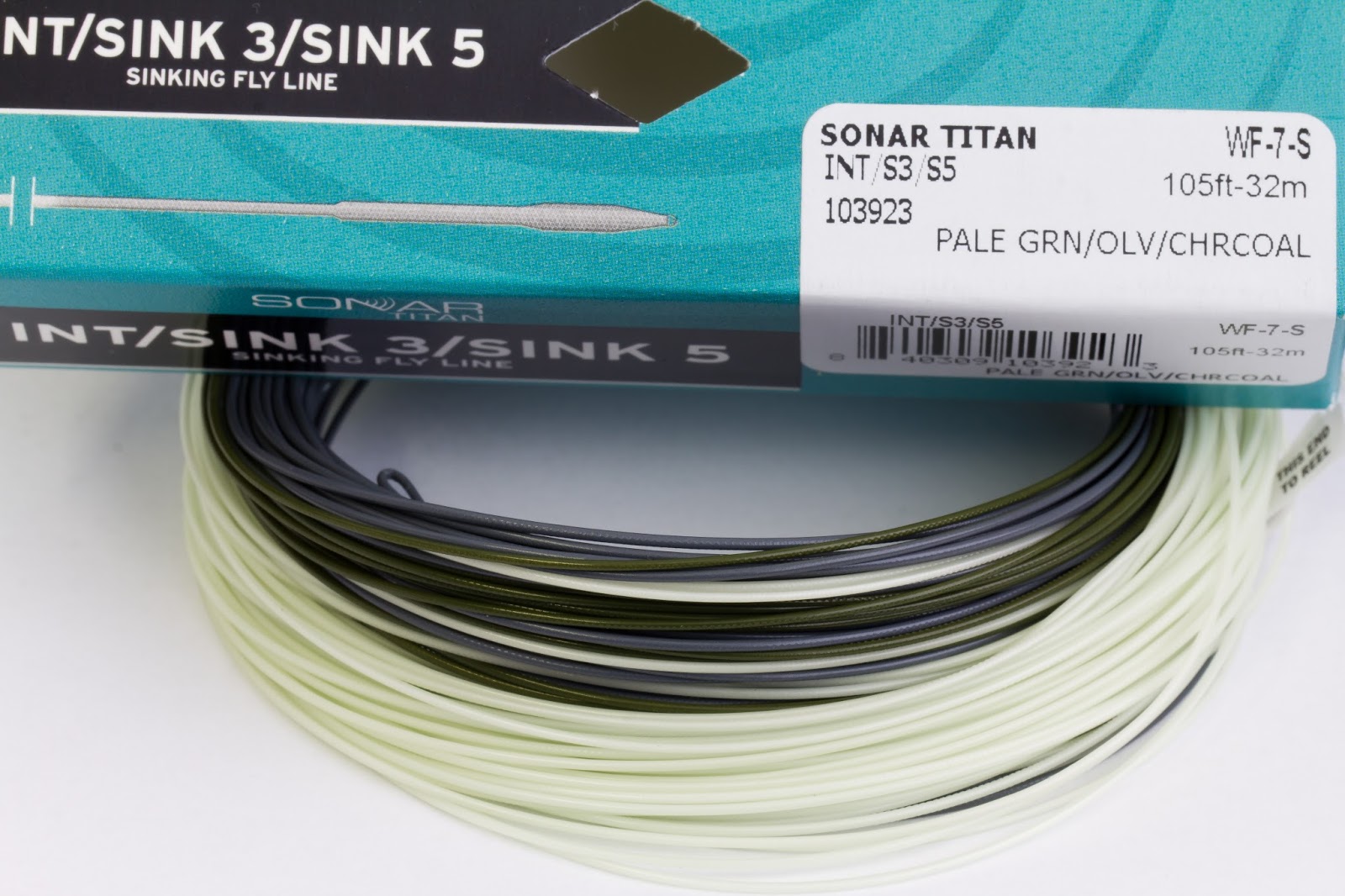
SA Sonar Titan Int/Type3/Type 5 WF7

It's hard work, but somebody's got to do it!


Killer Callibaetis Hatch = Pure Fun


Floating lines:

I use the floating lines primarily for chironomid/bobber and dry flies in lake fishing scenarios.  I fished a Winston LT 8'9" 5wt, a Winston WT 9' 6wt  and a Winston Boron IIIx 9' 5wt for these lines.


Rio InTouch Trout LT WF5

Rio describes this line as " The ultimate line for delicate presentation", which I think is fairly accurate, though I believe they are limiting themselves as it can do much more than that, especially on softer rods.  This line has the braided low stretch ConnectCore.

Pros:

The Rio Trout line has always been one of my favorites.  The new InTouch is no exception.  This is an excellent all around trout line, especially on less fast rods like Winstons, Loomis LPs and even the Sage Ones.  It has an elongated taper that turns over nicely and will present small flies really well.  It will also handle nymphs and smaller streamers with ease.  I fished this line a lot both with chironomid/bobber rigs and with dries (midges and Callibaetis).  This line helped me take advantage of the killer Callibaetis hatch we ran into, and the low stretch core definitely helped me hook some long distance fish that I would have probably missed with a "regular" line.  If you are unfamiliar with the ConnectCore, it has minimal (4%) stretch, while other Rio lines have up to 22% stretch at breaking point.

Cons:

It certainly handled the dry flies better than the bobber rig, but never was it so bad that I didn't want to use it for that technique.  It is also the rod I switched back and forth from midge larvae/pupae to dry flies throughout the day, so it was important that it do both.  This line gets heavy on long casts too, which for a fast rod is no problem, but on slower rods, like my Winston LT and WT, it is too much weight.  That being said, on shorter casts, it is butter.  It is super delicate on my softer rods, and any rod for that matter.

Rio Gold WF6

Rio proclaims this line as "The ultimate all around floating line for trout"  and I would have to agree. 


Pros:

This has been my go to floating lake line for a long while now.  It casts beautifully, especially on longer casts that are the norm on lakes.  It handles nymph rigs better than the Trout LT too, with some sacrifice in delicate presentation.

Cons:

It doesn't cast short distances particularly well.  It is clunky at those short casts, with dry flies especially.


Scientific Anglers Mastery SBT WF5

The is SA's "Short Belly Taper" line.   A pretty unique short head taper for delivering flies at short to medium range and made to turn over weighted flies but will lighten up with long leaders for delicate presentations.  This line has a braided multifilament core.


Pros:

This was the sleeper line of the group and one I wouldn't have considered for lake fishing had Garry our SA rep not recommended it.  The beauty of this line becomes apparent when you put a long leader and 2 or 3 chironomids on the end.  It has such a short head that it can turn over super long leaders which essentially add to the front taper.  I was able to turn over a 15ft leader with 3 midges and a bobber.  Pretty remarkable!

Cons:

This is not an all around floating lake line.  It struggles with longer casts and normal length leaders and dry flies.  It is a specialty line really, which is not a bad thing, but when looking at your setups it is important to know it's limitations.


Intermediate Lines:
Buggers fished on intermediate lines are so money!

Intermediate sinking lines are my go to for most lake fishing scenarios.  If you are going to have one line for lakes fishing, make it an intermediate.  I use these for everything from Callibaetis and damsel nymphs to buggers and streamers.  I fished these lines on my Winston WT 9' 6wt, a Sage ONE 9' 6wt, and a Sage XP 9' 6wt.


Rio InTouch Camolux WF6

This is Rio's go-to intermediate InTouch line and is the only low-stretch intermediate line that we tested. 


Pros:

Great line to cast and fish.  Shoots like crazy and can make quick accurate casts with little effort.  Handles the wind beautifully.  The InTouch core does indeed increase strike sensitivity and helps you hook fish faster with less missed fish.  Though the least transparent if the intermediate lines I tested, the fish didn't seem to care at all, even in the clearest lakes.  I think the broken camo coloration works well and looks good in many different water turbitities.  This line was easily my favorite intermediate line of the bunch.

Cons:

There is some amount of stiffness and memory in the coating.  There are times where your line will knot up if not handled properly.  The use of a stripping apron or basket will certainly help, and it was never so bad that it made me curse.

There is a "hang tag" that is a one inch section of tubing/heat shrink on the line twenty feet or so from the end of the line that indicates when to pick it up and re-cast or fish the "hang".  I think the hang tag could be better implemented if it was part if the line as opposed to glued over the line.  It wasn't as annoying as with the Rio full sink, but there were a few times where I thought I had a bite when I stripped it through the guides and I have little doubt that it does affect the sink rate of that section of line to some degree.

Airflo Camo WF6

Airflo recommends this intermediate line for fishing in weed beds for spooky fish.  It has a very supple camo mono core and has an elongated delta taper.


Pros:

This was a real hopeful for me.  I like the camo/clear look and the delta taper sounded appealing.  This line was the most supple of all of the intermediate lines I tested.  It was easy to handle and strip.  I primarily fished this line with buggers, Callibaetis nymphs and leaches.  This line really excelled when you needed to make long casts and have a more delicate presentation.  We ran into a lot of rising fish that wanted nothing to do with any of our dry fly offerings but would take a well presented mayfly nymph.  This line certainly helped with that.  In very cold clear conditions this should be your line of choice.

Cons:

The delta taper is not a quick casting line.  It takes 2-4 back casts to get the taper to a point where you can make a reasonable cast and turn over the fly.  So the caveat with this line is that it is not for tight quarters or quick casting scenarios.  It also struggles a bit in the wind, again because of the elongated front taper delta design.  Once you get the head outside of the rod tip it works better in the wind, but as anyone who fishes in the wind knows: more backcasts = you're going to have a bad time.  The coating on this intermediate was also the stickiest of the intermediates I tested, though not nearly as bad as the clear "goo" lines of old, when dry the line stuck a bit in the guides and fingers.  When wet though, it shot very well.

Airflo Ridge Clear Delta Slow Intermediate WF6/7

Airflo recommends this line for clear water lakes and for making longer presentations to wary fish.  It has a mono core and their ridged coating along with their elongated delta taper.


Pros:

This line performs well in very similar scenarios as the Camo line above.  It has the same delta taper, but is built with a clear ridged coating.  I didn't find the ridge line to be that noticeable and didn't think about it much while fishing it.  The line shot fine and handled well.  The slow intermediate sink rate was really nice for fish that were hanging in very shallow water as you could work a fly slow enough without getting hung in the weeds.

Cons:

The cons on this Airflo line are pretty much identical to those of the Airflo Camo.  The delta taper has it's limits and does not work very well in close quarters, windy days, or for quick one backcast presentations.  I found there was a bit more stiffness in this line as compared to the supple Camo line. This line takes up a large amount of space on a reel because of the long delta taper and ridge coating. If you are switching lines out often, it requires you to remove some backing from your reel compared to a typical floating line.

SA Sonar Stillwater WF6

This is the only truly "clear" line in the bunch I tested.  SA recommends it for windy conditions and stealthy presentations.  It has a stiff mono core.


Pros:

When stretched out and untangled this line shoots like a laser.  It makes quick and effortless casts.  The line is very sensitive due to it's stiff core and coating.  I rarely missed a fish.  The all clear line may be an added help in spooky fish/ultra clear water situations, though the jury is still out on this hypothesis.  All of us in the shop are in agreement that line color matters very little and that presentation is far more important.

Cons:

Well I hate to dog on it, but the curse factor was very high with this line.  The monofilament core and stiff coating make this line nearly unmanageable in cold water.  I had to re-stretch the line every time I reeled in, and the times the line snarled outnumbered the times that it didn't.  It was a major bummer, especially when I felt how good the line could cast when it didn't knot up.  I am going to try this line again in the heat of the summer as I think it will be an absolute awesome warm/tropical line.  I am thinking carp and bonefish...  I unfortunately can't recommend this line for cold water use.

Sinking lines:

Casting and trolling deep weed edges with a sinking line
 is a killer midday technique

These are the deep water fishing lines.  In the heat of the summer you need to get down to the fish, and they will generally move up and down vertically in the water column as the day progresses.  These lines are designed to help you find that zone and stay in it.  You can fish just about anything on a full sinking line, but I find buggers, streamers, and larger nymphs to be the most effective.  I fished these lines on a Sage ONE 9' 6wt, a Sage XP 9' 6wt, and a Winston BIIIx 9' 7wt.

Rio InTouch Deep 6 WF6

This is one member of Rio's extensive InTouch Sinking Line series.  It has their braided low stretch ConnectCore, a hang tag marker and a 30ft WF head.


Pros:  

Very easy casting full sinker.  A couple back casts and let her fly!  Sinks fast and keep a nice straight line to the fly with the density compensation.  An overall very good full sinking lake line.

Cons:  

The hang tag.  **ATTENTION RIO**  Please find a better way to mark the line.  The idea is there, but the raised hang tag seems to alter the sink rate and creates a slightly buoyant spot that does seem alter the presentation and defeats the purpose of density compensation.

Airflo Sixth Sense Sink 7 WF6/7

This is one of Airflo's storied Sixth Sense series lines.  It has their low stretch Power Core and has a very unique marking system at 10', 20' and rear taper (40ish').  This line again has their delta taper and is the only line without any welded loops in the group.


Pros:

Sinks like a rock.  Great density compensation.  The line markers are color indicators that tell you when you're at 10', 20' and around 40' (rear taper).  I immediately found myself using the line markers both in casting and during the retrieve or troll.  You could instantly know when you are far enough in to pickup and cast, but more importantly I could duplicate fishing depth by let the line out to certain distance.  This is an incredible tool for lake fishing, and I will be adding a type 3 into my arsenal to compliment the type 7 dredger.

Cons:

All type 7 lines are weird to cast.  They are super heavy and a bit awkward.  You will find that less is more when casting this line.  just get a good backcast loaded and let it fly.  A welded loop should be added to this line too.  It was the only sinking line or intermediate line I tested without one.  Not a big deal, but certainly convenient.

SA Sonar Titan Int/Type3/Type 5 WF7

This line is part of SA's SONAR series of sinking lines and has their Titan taper as well as a triple density design that has a type 5 tip, type 3 mid section and intermediate running line.  It also has a braided multifilament core.


Pros:

The best casting full sinking line I have every used!  The triple density sink rates really give you a straight line presentation and certainly help with line management and in casting ease.  The Mastery texturing is not annoying and I have no doubt that it helps with line shooting and durability.  I could cast the entire line if I wanted to.  Throws big flies much better than the other full sinking lines too, but I fished a #10 bugger and smaller Callibaetis nymphs on it with no problem.  The triple density also give you 3 color ques, which, like the Airflo sixth sense, is a huge asset to lake fishing and depth control.

Cons:

Honestly, not really any cons other than maybe not the most delicate full sinker, but none of them really are.


Game time...
OK, so I have broken down most of my thoughts on each line for you.  Sometimes numbers help folks get a better handle on things so I came up with a totally subjective rating system for these lines.
Here are the breakdowns on each rating category:
The full arsenal

Color- This refers to line color, pattern, shade etc.  I rated the color mainly on how it helped me fish, not necessarily the color itself

Casting Ease- How hard you have to work to cast each line

Handling- How the line handles/coils/limpness/stripping etc

Short casts/Long casts- Pretty self explanatory. Short= 5-30ft Long= more than 30ft

Sensitivity- How easy it is to detect a strike or weeds/bottom

Versatility- How well the line works with multiple scenarios/techniques/flies

Shooting- How well the line shoots during casting

Fishyness- This is a misc. category, mainly to describe how well the line fishes in general.  Some lines integrate really well into your fishing program and some can hinder your intentions


So that's the tail of the tape.  Here are my conclusions and awards:

Lake fishing for trout certainly requires some specialty gear and unique techniques just as river fishing does.  Most likely your floating line will pull double duty, but if you are serious about lake fishing you need to get some intermediate and sinking lines.  With all the advances in fly lines in the last decade there are a multitude of excellent choices, and most any line will work pretty well.  That being said, here are my top choices...

Best Floating Lake Line:  RIO GOLD!  

           Though the ratings came out close, if I had to choose one, it would be the Rio Gold, and with the new InTouch version it would have rated higher than the Trout LT.  A killer all around floater for midging and dries!


Best Intermediate Lake Line:  Rio InTouch Camolux!  

          There are a lot of excellent lines in this category, but the Rio Camolux shines above the rest for pure fish catching mojo.  Easy to cast and deadly effective!


Best Sinking Lake Line:  Scientific Anglers Sonar Titan!

         The SA Sonar Titan is just awesome!  Very easy to cast and will handle anything.  The Airflo Sixth Sense is an excellent line as well, but has some of the limitations of traditional sinking lines.  The Titan taper is just so user friendly it's hard to beat.


Overall Best in Show:   ...  Rio InTouch Camolux!


Now let me preface this by saying that any real lake badger worth his/her salt should at minimum have a floating line setup and a sinking line setup at all times.  But if you are on a one line budget, or just want to dip your finger in for a taste of lake fishing, buy the Rio InTouch Camolux.   It is easy casting, easy handling, fish catching goodness. This line will help you put more fish in the net!


So there we have it.  Hopefully you have a better handle on the lake line options out there and can make an educated decision.  I also hope that this article might inspire you to try lake fishing for trout.  It is a totally unique experience and provides some interesting challenges not found in river fishing.  I find that spending some time before a trip to get things in order pays off in the end and not having to concern myself with my equipment while fishing makes for a more enjoyable fishing experience. The most important thing is that you have fun, and your gear shouldn't get in the way of that!


Get out there and explore!


Ryan Van Duzor
Gorge Fly Shop | Product Specialist | Lover of Carp
541.386.6977


Read More from the "Bearded Pescador"


"Fly Fish the World with Us"


Visit our Relaunched Steelhead Only Site

Shop Gorge Fly Shop & SteelheadBum.com

  © 'and' Steelhead.com Mike Prine 2009-2014

Back to TOP