Showing posts with label Ryan Van Duzor. Show all posts

Aug 5, 2017

Ryan Van Duzor Heading off for New Career

Ryan Van Duzor | "The Bearded Pescador"
Congratulations to Ryan on his well deserved, new career path from all of us at Gorge Fly Shop.

Ryan and his wife and daughter are recently ventured west from Chicago and now call "The Gorge", their home. Ryan worked as a product specialist, buyer, and photographer for the Gorge Fly Shop where he helped others to find their enjoyment of nature through fly fishing. Good chance if you have been in our shop or called on the phone, you've probably have cross paths with this passionate angler.

Ryan has accepted a new career position as Science Instructor for the Pacific Crest Innovation Academy Team. Here, he'll put his Masters Degree to work using his knowledge of zoology, ecology, entomology, and cellular and molecular biology.

All of us at Gorge Fly Shop wish the best for Ryan on his new career and will be sincerely missed by his fellow employees as well as many of our patrons who have come to know him.

Best Wishes Ryan


The Gorge Fly Shop Team

541.386.6977


"Fly Fish the World with Us"

Oct 20, 2016

Finding a Cure Through the Great Outdoors

There has always been one constant in my life, one thing that no matter what was going wrong I could always count on to keep my stress in check: 

the great outdoors. 


 The thing about being outdoors and in nature is that even if the weather is poor, or the fishing is sub par, it still works its magic.  I think a huge part of that is realizing what and where you are in the grand scheme of things, and that the big picture helps you to stop looking at the little corner that is off focus.


My first wild steelhead, only months after completing our journey.

Being Breast Cancer Awareness Month, I want to share our story, with the hopes that it will give people some respite and hope as they or someone they love battles cancer.

The day we found out that my wife, Julie, had breast cancer I was hours away from leaving on a fall musky trip with 2 of my best buds.  Obviously, the trip was canceled, and it would be a long winter of pain and struggle as we battled through the stages of breast cancer treatment and the side effects.  My wife is an amazingly strong woman and persevered through it all.  Of course, it was one of the worst winters Chicago had in recent memory, but what I remember most are the first trips back into the great outdoors after going through this ordeal.

The horrendous winter, countless doctor visits, time in the chemo ward and a scary trip to the ER on Christmas eve had certainly taken a toll on us.  By the time spring had begun to show itself, we both needed some time back out in nature.  Some time to recenter ourselves.  We got out and flew our daughter's first kite and my great friend Bill and I made it up to the Driftless area in SW Wisconsin for the early season trout opener.  It was cold, the fishing wasn't easy, but just being outside, in a beautiful valley and a special spring creek that day is something I will never forget.  It re-energized me.  It helped me remember our place in the world.  Being the primary caretaker of my wife and our then 2-year-old daughter I needed a little respite from the struggle, and it worked!  I came back reinvigorated and ready to help Julie tackle the last stages of her treatment.  Had I not had this trip, and a friend alongside me, I don't know how I would have endured and been able to keep caring for both of my girls as well as I could.

The end of my winter of struggle was kicked off by this SW Wisconsin Spring Creek Brown


I don't remember much of the last stages of treatment we went through together, but I do remember our first family camping trip after the end of her chemo treatments.  It was an impromptu trip to the Northwoods of Wisconsin.  Julie was sporting a fuzzy head, but her spirits were high and her strength was returning.  The weather was glorious, especially for the often unpredictable weather in Northwoods in May.  We had the time of our lives.


We felt like a family again.  We watched our daughter play on the beach of an idyllic Northwoods lake, watched her reel in her first smallmouth and we felt good.  It is hard to explain, but the moments you get like this after going through something of this nature are so sweet.  The fragility of life is so crystal clear that you really learn to appreciate every moment when things are good and everyone is healthy.


The day she was diagnosed I told myself that if we survived it, we had to make a change.  Julie and I had longed for a life somewhere where we could be part of nature as opposed to driving 4+ hours to visit it.  The traffic, the rat race, the industrial nature of Chicagoland had taken its toll on our souls.  Well, being the nuts that we are, we moved 2000 miles to the PNW a month after her treatments had ended.

Our post cancer mantra!

Soon after our move in, we decided that we should have our first camping trip on the beaches of the Oregon coast.  Again, I don't really remember all the stress of the move and the huge changes in our lives, but I will never forget seeing my daughter and my now healthy wife running and playing on the beach.  I have this photo as my phone wallpaper to remind of that day, and it will certainly be one that I will never forget.

Since our move 2 years ago we have fully embraced the beauty of the Columbia River Gorge and the Pacific Northwest as a whole.  The three of us have had more adventures in the last 2 years than in most of our lives. We have "sucked the marrow" from life through the great outdoors.  Julie has been lucky enough to be involved with great non-profit organizations that center around getting cancer survivors into the outdoors and into new experiences.  I would personally like to thank Send It, Athletes 4 Cancer, First Descents and Casting for Recovery for all the work they have done and the amazing experiences they have given to cancer survivors, including my wife. The last couple years have had  more scares, more surgeries, and continued treatment, but one step back into the great outdoors brings us back to sanity.  To me, and to Julie, this is the real cure.  Maybe someday we will find a physical cure for cancer, but in the meantime, go fishing, go hiking, go camping, go surfing, take some photos, run on the beach, but most of all, get outdoors!

The Bearded Pescador

1st Surf with Send It!

Here is a bit of a tribute to my wife, a survivor in the strongest sense, and a total badass!


1st Trout on the Fly!

1st Whitewater Kayak Adventure with First Descents!


Ryan Van Duzor
Gorge Fly Shop | Product Specialist
541.386.6977


Read More from the "Bearded Pescador"


"Fly Fish the World with Us"

Sep 30, 2016

Fishpond Thunderhead Sling Review: The All Purpose Waterproof Bag

      Ever had a fly box full of water?

Ever had your extra change of clothes get soaking wet?  

Ever ruin a phone or camera with an accidental spill or drenching rain?

 Ever had your PB&J get soggy but you're so hungry that you eat it anyway?


Perfect for Wet Wading
I certainly have, and after years of frustration with dry bags and ziplocks I decided it was time for a truly waterproof pack.

There are a lot of waterproof packs to choose from these days.  So many so that it can difficult to choose a winner.  Luckily I have all of them here in the shop to play with and pour over.

After much debate and ridicule from coworkers as I struggled to figure out how each bag was made to be worn, I settled on the Fishpond Thunderhead Sling.

These are the key features that stuck out to me:

  • Fully waterproof zippered large compartment 
  • TIZIP® submersible zipper
  • Durable TPU welded fabric
  • Tons of attachment points, d rings and pull loops
  • Net sleeve
  • Comfortable, adjustable, easy to swing around
  • External water resistant quick access pocket


The simplicity of the design is also something that I greatly appreciated.  There aren't a million little pockets and compartments for things to get lost in and it makes loading/unloading the bag a breeze.   The large compartment also gives me the piece of mind to take my DSLR and an extra lens while I wade without worrying about ruining it.  The simplicity also means the pack is light; which after a long day of fishing makes a huge difference on the back and shoulders.
Thunderhead is right at home on the Olympic Peninsula (and my beautiful wife sure makes it look good!)

Versatility is the name of the game with the Thunderhead:  High mountain trout streams one day, waterfall hiking the next, and swinging for steelhead the day after that!  It has become my go-to day pack and my wife has tried to lay claim to it as her favorite hiking pack... from my cold dead hands!  I also used this pack for a week straight in Disney World schlepping around my camera, lenses, phone, wallet and my wife and daughter's junk.  I was able to take my valuables with me on every water ride!

Perfect pack for mountain trout streams, Tenkara, and wet wading

The wide shoulder strap and simple buckles and adjustments make the Thunderhead easy to use and comfortable all day, even heavily loaded.  The 2 quick release buckles make access and removal easy.  You will notice quite a few orange TPU pull tabs spread out on the bag.  At first you may think they are randomly placed, but after a few days of use you quickly find that each loop was put there for a reason.  The loops at the top and the bottom of the bag are the most important as they allow you to pull hard on the TIZIP zipper, which needs some leverage to open and close.  The loops are strong and well made and will certainly last the life of this bag.

There are two small pockets on the Thunderhead: one clear pocket inside for small items like tippet, leaders, knife, etc and one outside with a water resistant zipper external pocket, which I like to put my phone in when it isn't raining and I won't likely take a big spill in the drink.  It is also handy for putting your wallet/license/small fly box in.


There are numerous tool attachment points on the Thunderhead.  The tube shaped ones are designed for the Fishpond Swivel Retractor and Barracuda Clippers, and it works perfectly with those items.  I have also attached the Fishpond Floatant Bottle Holder and Dry Shake Holder to the front strap d-ring for easy access.  To the back d-ring I setup my old Fishpond tippet holder, but the Headgate Tippet Holder would work just as well, is easier to load, and has a built in line cutter.  What I really like about this setup is I can take these items off quickly to convert it to a steelheading bag, daybag, or for hiking.


Fully Loaded!
The final major feature in the Thunderhead and a number of other Fishpond bags is the net holster.  It is an angled sleeve that is in the back pad of the bag.  I finally have a way of bringing a big net with me that isn't totally cumbersome.  I can get the Fishpond mid length boat net in there and carry it around all day without it getting in the way.  I also love it for my smaller trout nets as it keeps them from banging around and getting caught on every branch as I bushwhack.  It fits every net I have tried in it, and I barely notice it in there when it's holstered.

Some sling packs are a pain to use and often require you to just take it off to access the pockets.  I can say that the Thunderhead is not one of those slings.  One easy to use buckle, a quick slide around your torso using those pull loops and you have easy access to the large and small pocket, all of your tools, your tippet and anything else you attach to the bag.  If you haven't tried a sling pack, or are looking for a way to keep your gear dry but easily accessible, the Thunderhead certainly fits the bill.
The bottom line is the Thunderhead is, in my opinion, the best waterproof sling bag on the market!

The Bearded Pescador


Ryan Van Duzor
Gorge Fly Shop | Product Specialist
541.386.6977


Read More from the "Bearded Pescador"


"Fly Fish the World with Us"


May 8, 2016

The Lake Line Shootout!

Feel lost in a sea of lake lines?

There comes a time when things need to be broken down and analyzed.  Sometimes the choices in fishing and life can be totally overwhelming. While preparing for our annual desert lake fishing extravaganza I was having a hard time choosing which lines to bring.  If I work at a shop and felt that way, anyone who doesn't work in a fly shop would certainly be feeling the same way or even more distraught.  

Decisions, decisions...  Let me help you avoid the lake line conundrum.


My goal in this article is to give you recommendations for lake lines from each of our major companies: Rio, Airflo, and Scientific Anglers.  Each company (Thanks Georgie, Eric and Garry!) was kind enough to supply me with an assortment of lines to cover most any lake situation you might encounter, from floating to fast full sink. 


Here is the starting lineup!

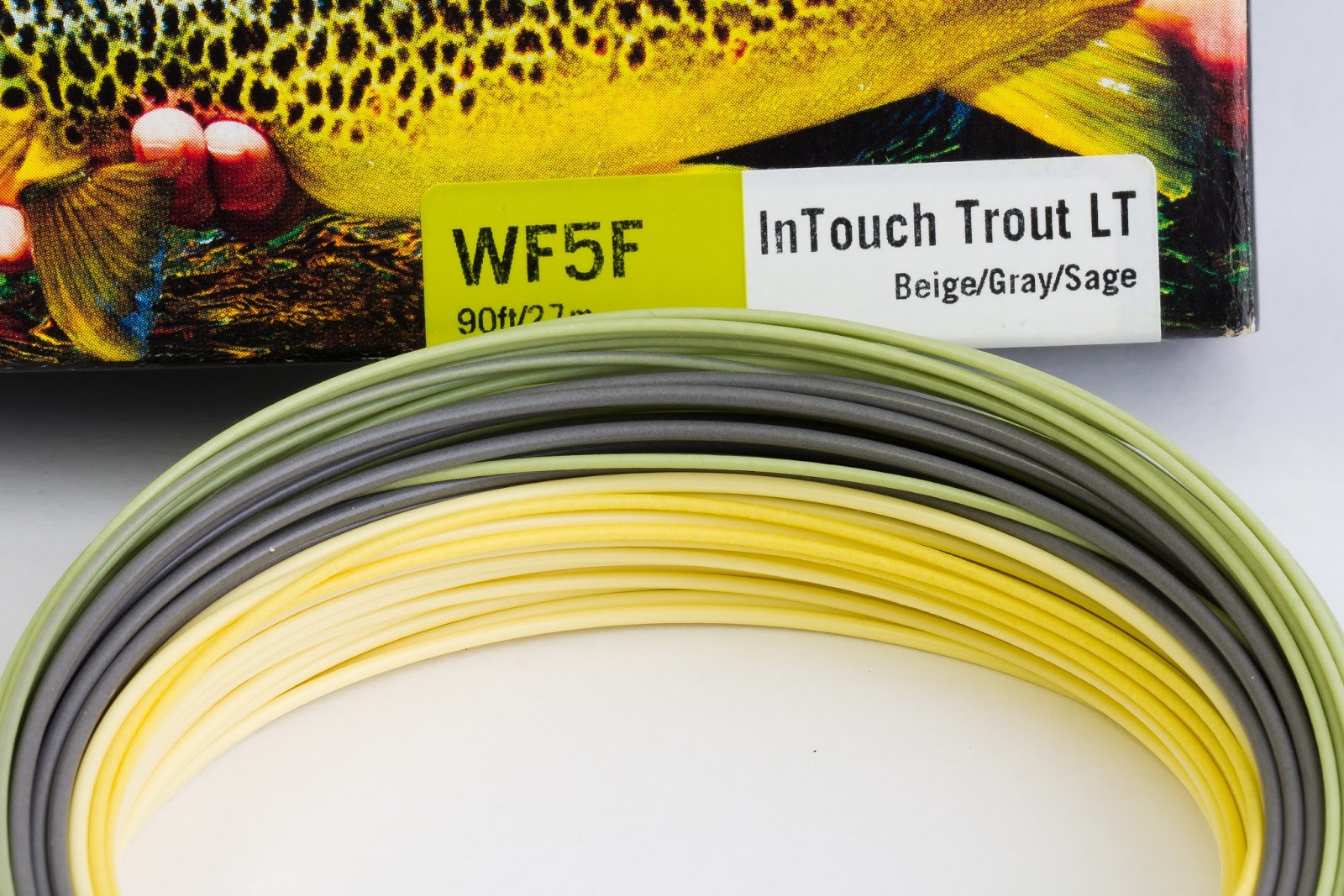
Rio InTouch Trout LT WF5
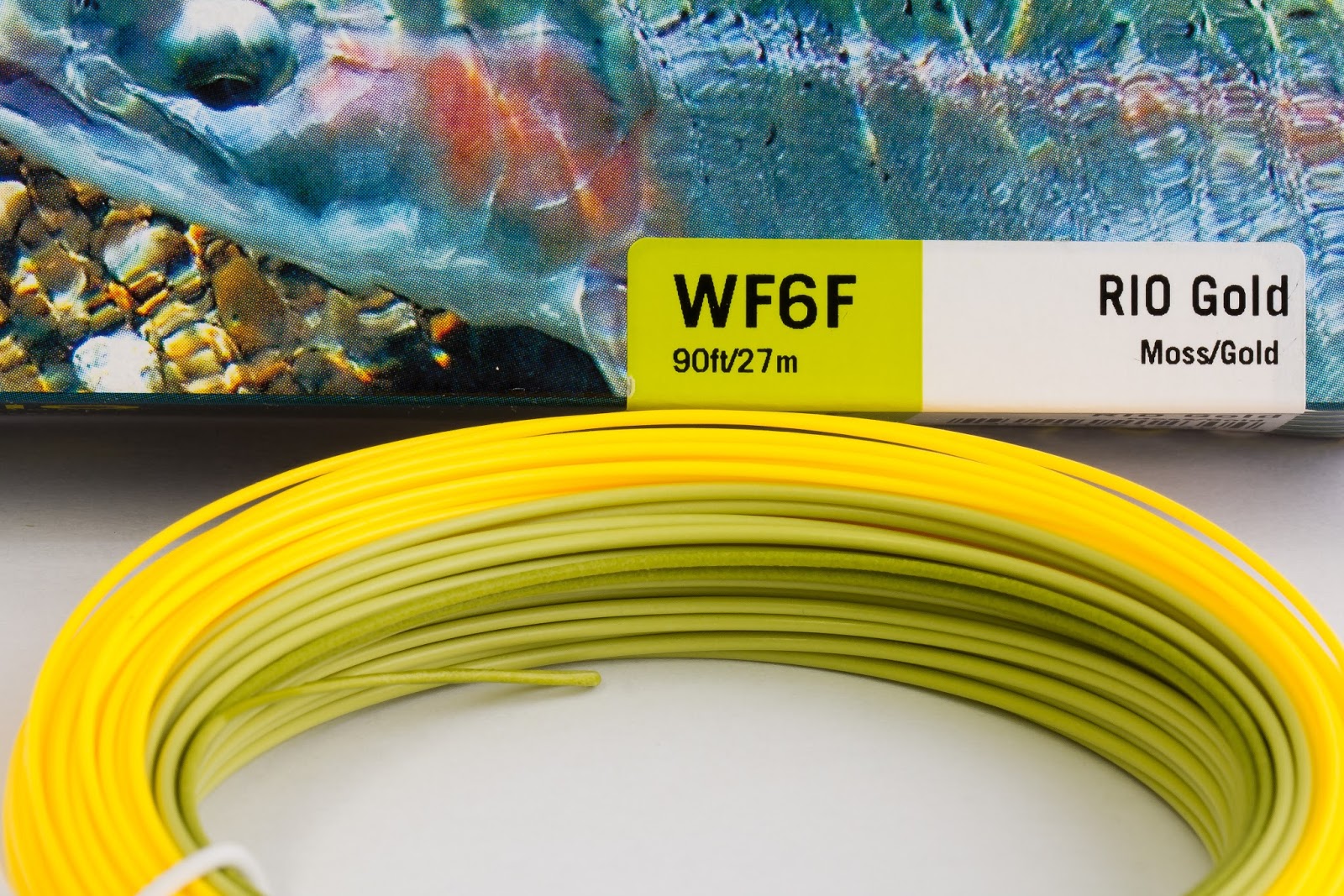
Rio Gold WF6
SA Mastery SBT WF5

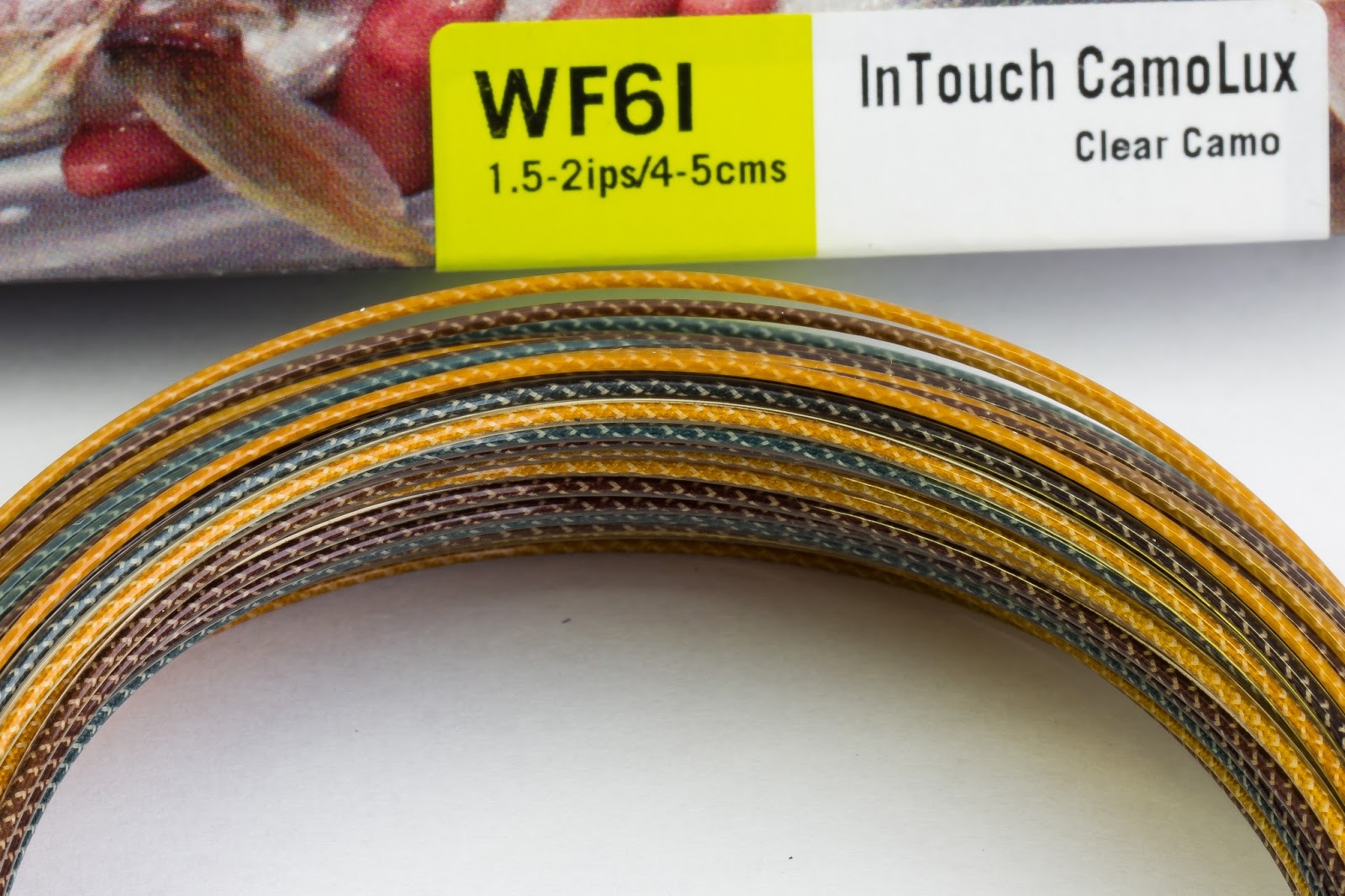
Rio InTouch Camolux WF5
Airflo Camo WF6
Airflo Ridge Clear Delta Slow Intermediate WF6/7
SA Sonar Stillwater WF6

Rio InTouch Deep 6 WF6
Airflo Sixth Sense Sink 7 WF6/7
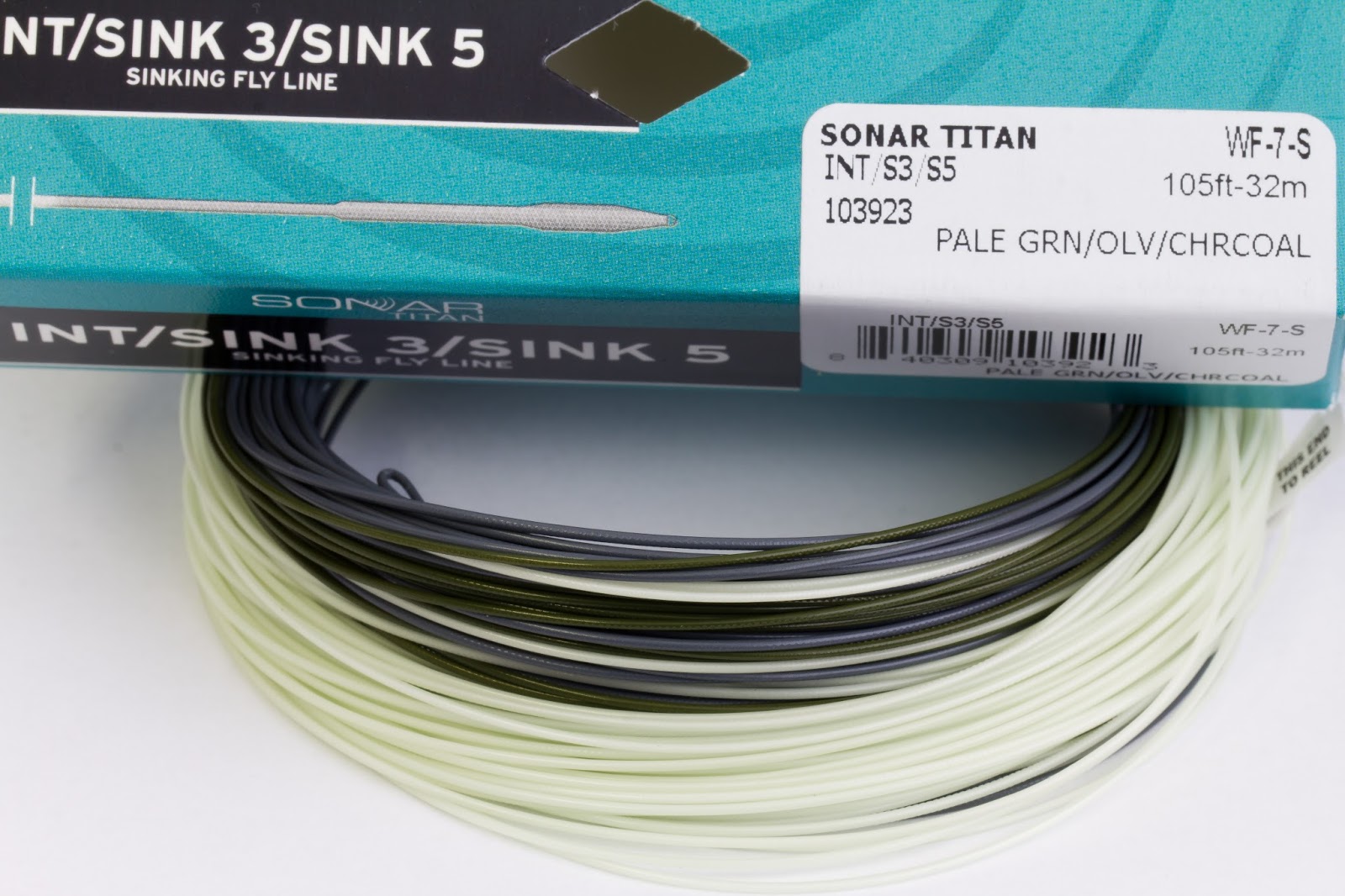
SA Sonar Titan Int/Type3/Type 5 WF7

It's hard work, but somebody's got to do it!


Killer Callibaetis Hatch = Pure Fun


Floating lines:

I use the floating lines primarily for chironomid/bobber and dry flies in lake fishing scenarios.  I fished a Winston LT 8'9" 5wt, a Winston WT 9' 6wt  and a Winston Boron IIIx 9' 5wt for these lines.


Rio InTouch Trout LT WF5

Rio describes this line as " The ultimate line for delicate presentation", which I think is fairly accurate, though I believe they are limiting themselves as it can do much more than that, especially on softer rods.  This line has the braided low stretch ConnectCore.

Pros:

The Rio Trout line has always been one of my favorites.  The new InTouch is no exception.  This is an excellent all around trout line, especially on less fast rods like Winstons, Loomis LPs and even the Sage Ones.  It has an elongated taper that turns over nicely and will present small flies really well.  It will also handle nymphs and smaller streamers with ease.  I fished this line a lot both with chironomid/bobber rigs and with dries (midges and Callibaetis).  This line helped me take advantage of the killer Callibaetis hatch we ran into, and the low stretch core definitely helped me hook some long distance fish that I would have probably missed with a "regular" line.  If you are unfamiliar with the ConnectCore, it has minimal (4%) stretch, while other Rio lines have up to 22% stretch at breaking point.

Cons:

It certainly handled the dry flies better than the bobber rig, but never was it so bad that I didn't want to use it for that technique.  It is also the rod I switched back and forth from midge larvae/pupae to dry flies throughout the day, so it was important that it do both.  This line gets heavy on long casts too, which for a fast rod is no problem, but on slower rods, like my Winston LT and WT, it is too much weight.  That being said, on shorter casts, it is butter.  It is super delicate on my softer rods, and any rod for that matter.

Rio Gold WF6

Rio proclaims this line as "The ultimate all around floating line for trout"  and I would have to agree. 


Pros:

This has been my go to floating lake line for a long while now.  It casts beautifully, especially on longer casts that are the norm on lakes.  It handles nymph rigs better than the Trout LT too, with some sacrifice in delicate presentation.

Cons:

It doesn't cast short distances particularly well.  It is clunky at those short casts, with dry flies especially.


Scientific Anglers Mastery SBT WF5

The is SA's "Short Belly Taper" line.   A pretty unique short head taper for delivering flies at short to medium range and made to turn over weighted flies but will lighten up with long leaders for delicate presentations.  This line has a braided multifilament core.


Pros:

This was the sleeper line of the group and one I wouldn't have considered for lake fishing had Garry our SA rep not recommended it.  The beauty of this line becomes apparent when you put a long leader and 2 or 3 chironomids on the end.  It has such a short head that it can turn over super long leaders which essentially add to the front taper.  I was able to turn over a 15ft leader with 3 midges and a bobber.  Pretty remarkable!

Cons:

This is not an all around floating lake line.  It struggles with longer casts and normal length leaders and dry flies.  It is a specialty line really, which is not a bad thing, but when looking at your setups it is important to know it's limitations.


Intermediate Lines:
Buggers fished on intermediate lines are so money!

Intermediate sinking lines are my go to for most lake fishing scenarios.  If you are going to have one line for lakes fishing, make it an intermediate.  I use these for everything from Callibaetis and damsel nymphs to buggers and streamers.  I fished these lines on my Winston WT 9' 6wt, a Sage ONE 9' 6wt, and a Sage XP 9' 6wt.


Rio InTouch Camolux WF6

This is Rio's go-to intermediate InTouch line and is the only low-stretch intermediate line that we tested. 


Pros:

Great line to cast and fish.  Shoots like crazy and can make quick accurate casts with little effort.  Handles the wind beautifully.  The InTouch core does indeed increase strike sensitivity and helps you hook fish faster with less missed fish.  Though the least transparent if the intermediate lines I tested, the fish didn't seem to care at all, even in the clearest lakes.  I think the broken camo coloration works well and looks good in many different water turbitities.  This line was easily my favorite intermediate line of the bunch.

Cons:

There is some amount of stiffness and memory in the coating.  There are times where your line will knot up if not handled properly.  The use of a stripping apron or basket will certainly help, and it was never so bad that it made me curse.

There is a "hang tag" that is a one inch section of tubing/heat shrink on the line twenty feet or so from the end of the line that indicates when to pick it up and re-cast or fish the "hang".  I think the hang tag could be better implemented if it was part if the line as opposed to glued over the line.  It wasn't as annoying as with the Rio full sink, but there were a few times where I thought I had a bite when I stripped it through the guides and I have little doubt that it does affect the sink rate of that section of line to some degree.

Airflo Camo WF6

Airflo recommends this intermediate line for fishing in weed beds for spooky fish.  It has a very supple camo mono core and has an elongated delta taper.


Pros:

This was a real hopeful for me.  I like the camo/clear look and the delta taper sounded appealing.  This line was the most supple of all of the intermediate lines I tested.  It was easy to handle and strip.  I primarily fished this line with buggers, Callibaetis nymphs and leaches.  This line really excelled when you needed to make long casts and have a more delicate presentation.  We ran into a lot of rising fish that wanted nothing to do with any of our dry fly offerings but would take a well presented mayfly nymph.  This line certainly helped with that.  In very cold clear conditions this should be your line of choice.

Cons:

The delta taper is not a quick casting line.  It takes 2-4 back casts to get the taper to a point where you can make a reasonable cast and turn over the fly.  So the caveat with this line is that it is not for tight quarters or quick casting scenarios.  It also struggles a bit in the wind, again because of the elongated front taper delta design.  Once you get the head outside of the rod tip it works better in the wind, but as anyone who fishes in the wind knows: more backcasts = you're going to have a bad time.  The coating on this intermediate was also the stickiest of the intermediates I tested, though not nearly as bad as the clear "goo" lines of old, when dry the line stuck a bit in the guides and fingers.  When wet though, it shot very well.

Airflo Ridge Clear Delta Slow Intermediate WF6/7

Airflo recommends this line for clear water lakes and for making longer presentations to wary fish.  It has a mono core and their ridged coating along with their elongated delta taper.


Pros:

This line performs well in very similar scenarios as the Camo line above.  It has the same delta taper, but is built with a clear ridged coating.  I didn't find the ridge line to be that noticeable and didn't think about it much while fishing it.  The line shot fine and handled well.  The slow intermediate sink rate was really nice for fish that were hanging in very shallow water as you could work a fly slow enough without getting hung in the weeds.

Cons:

The cons on this Airflo line are pretty much identical to those of the Airflo Camo.  The delta taper has it's limits and does not work very well in close quarters, windy days, or for quick one backcast presentations.  I found there was a bit more stiffness in this line as compared to the supple Camo line. This line takes up a large amount of space on a reel because of the long delta taper and ridge coating. If you are switching lines out often, it requires you to remove some backing from your reel compared to a typical floating line.

SA Sonar Stillwater WF6

This is the only truly "clear" line in the bunch I tested.  SA recommends it for windy conditions and stealthy presentations.  It has a stiff mono core.


Pros:

When stretched out and untangled this line shoots like a laser.  It makes quick and effortless casts.  The line is very sensitive due to it's stiff core and coating.  I rarely missed a fish.  The all clear line may be an added help in spooky fish/ultra clear water situations, though the jury is still out on this hypothesis.  All of us in the shop are in agreement that line color matters very little and that presentation is far more important.

Cons:

Well I hate to dog on it, but the curse factor was very high with this line.  The monofilament core and stiff coating make this line nearly unmanageable in cold water.  I had to re-stretch the line every time I reeled in, and the times the line snarled outnumbered the times that it didn't.  It was a major bummer, especially when I felt how good the line could cast when it didn't knot up.  I am going to try this line again in the heat of the summer as I think it will be an absolute awesome warm/tropical line.  I am thinking carp and bonefish...  I unfortunately can't recommend this line for cold water use.

Sinking lines:

Casting and trolling deep weed edges with a sinking line
 is a killer midday technique

These are the deep water fishing lines.  In the heat of the summer you need to get down to the fish, and they will generally move up and down vertically in the water column as the day progresses.  These lines are designed to help you find that zone and stay in it.  You can fish just about anything on a full sinking line, but I find buggers, streamers, and larger nymphs to be the most effective.  I fished these lines on a Sage ONE 9' 6wt, a Sage XP 9' 6wt, and a Winston BIIIx 9' 7wt.

Rio InTouch Deep 6 WF6

This is one member of Rio's extensive InTouch Sinking Line series.  It has their braided low stretch ConnectCore, a hang tag marker and a 30ft WF head.


Pros:  

Very easy casting full sinker.  A couple back casts and let her fly!  Sinks fast and keep a nice straight line to the fly with the density compensation.  An overall very good full sinking lake line.

Cons:  

The hang tag.  **ATTENTION RIO**  Please find a better way to mark the line.  The idea is there, but the raised hang tag seems to alter the sink rate and creates a slightly buoyant spot that does seem alter the presentation and defeats the purpose of density compensation.

Airflo Sixth Sense Sink 7 WF6/7

This is one of Airflo's storied Sixth Sense series lines.  It has their low stretch Power Core and has a very unique marking system at 10', 20' and rear taper (40ish').  This line again has their delta taper and is the only line without any welded loops in the group.


Pros:

Sinks like a rock.  Great density compensation.  The line markers are color indicators that tell you when you're at 10', 20' and around 40' (rear taper).  I immediately found myself using the line markers both in casting and during the retrieve or troll.  You could instantly know when you are far enough in to pickup and cast, but more importantly I could duplicate fishing depth by let the line out to certain distance.  This is an incredible tool for lake fishing, and I will be adding a type 3 into my arsenal to compliment the type 7 dredger.

Cons:

All type 7 lines are weird to cast.  They are super heavy and a bit awkward.  You will find that less is more when casting this line.  just get a good backcast loaded and let it fly.  A welded loop should be added to this line too.  It was the only sinking line or intermediate line I tested without one.  Not a big deal, but certainly convenient.

SA Sonar Titan Int/Type3/Type 5 WF7

This line is part of SA's SONAR series of sinking lines and has their Titan taper as well as a triple density design that has a type 5 tip, type 3 mid section and intermediate running line.  It also has a braided multifilament core.


Pros:

The best casting full sinking line I have every used!  The triple density sink rates really give you a straight line presentation and certainly help with line management and in casting ease.  The Mastery texturing is not annoying and I have no doubt that it helps with line shooting and durability.  I could cast the entire line if I wanted to.  Throws big flies much better than the other full sinking lines too, but I fished a #10 bugger and smaller Callibaetis nymphs on it with no problem.  The triple density also give you 3 color ques, which, like the Airflo sixth sense, is a huge asset to lake fishing and depth control.

Cons:

Honestly, not really any cons other than maybe not the most delicate full sinker, but none of them really are.


Game time...
OK, so I have broken down most of my thoughts on each line for you.  Sometimes numbers help folks get a better handle on things so I came up with a totally subjective rating system for these lines.
Here are the breakdowns on each rating category:
The full arsenal

Color- This refers to line color, pattern, shade etc.  I rated the color mainly on how it helped me fish, not necessarily the color itself

Casting Ease- How hard you have to work to cast each line

Handling- How the line handles/coils/limpness/stripping etc

Short casts/Long casts- Pretty self explanatory. Short= 5-30ft Long= more than 30ft

Sensitivity- How easy it is to detect a strike or weeds/bottom

Versatility- How well the line works with multiple scenarios/techniques/flies

Shooting- How well the line shoots during casting

Fishyness- This is a misc. category, mainly to describe how well the line fishes in general.  Some lines integrate really well into your fishing program and some can hinder your intentions


So that's the tail of the tape.  Here are my conclusions and awards:

Lake fishing for trout certainly requires some specialty gear and unique techniques just as river fishing does.  Most likely your floating line will pull double duty, but if you are serious about lake fishing you need to get some intermediate and sinking lines.  With all the advances in fly lines in the last decade there are a multitude of excellent choices, and most any line will work pretty well.  That being said, here are my top choices...

Best Floating Lake Line:  RIO GOLD!  

           Though the ratings came out close, if I had to choose one, it would be the Rio Gold, and with the new InTouch version it would have rated higher than the Trout LT.  A killer all around floater for midging and dries!


Best Intermediate Lake Line:  Rio InTouch Camolux!  

          There are a lot of excellent lines in this category, but the Rio Camolux shines above the rest for pure fish catching mojo.  Easy to cast and deadly effective!


Best Sinking Lake Line:  Scientific Anglers Sonar Titan!

         The SA Sonar Titan is just awesome!  Very easy to cast and will handle anything.  The Airflo Sixth Sense is an excellent line as well, but has some of the limitations of traditional sinking lines.  The Titan taper is just so user friendly it's hard to beat.


Overall Best in Show:   ...  Rio InTouch Camolux!


Now let me preface this by saying that any real lake badger worth his/her salt should at minimum have a floating line setup and a sinking line setup at all times.  But if you are on a one line budget, or just want to dip your finger in for a taste of lake fishing, buy the Rio InTouch Camolux.   It is easy casting, easy handling, fish catching goodness. This line will help you put more fish in the net!


So there we have it.  Hopefully you have a better handle on the lake line options out there and can make an educated decision.  I also hope that this article might inspire you to try lake fishing for trout.  It is a totally unique experience and provides some interesting challenges not found in river fishing.  I find that spending some time before a trip to get things in order pays off in the end and not having to concern myself with my equipment while fishing makes for a more enjoyable fishing experience. The most important thing is that you have fun, and your gear shouldn't get in the way of that!


Get out there and explore!


Ryan Van Duzor
Gorge Fly Shop | Product Specialist | Lover of Carp
541.386.6977


Read More from the "Bearded Pescador"


"Fly Fish the World with Us"

Apr 23, 2016

I love Ole' Rubber Lips, and I’m not afraid to say it!

Ole' Rubber Lips


I spent much of my childhood in the Midwest, where carp, largemouth and panfish were easily accessible and really the only thing going. After dialing in how to catch bass (there was one identifiably scarred fish I caught 5 times in one summer) I needed a bigger challenge. Ole' Rubber Lips, Cyprinus carpio, the maligned common carp was my new target.  I was drawn to this beast that often crept silently in shallows of the creeks and ponds of my youth, grew to mythical sizes and spooked at the snap of a blade of grass from 40 paces.

There are blogs and articles a-plenty out there on carp, in which they are often referred to as "golden bonefish", a name so overused and misleading I won’t bore you with regurgitation.  They really aren’t like bonefish at all,, they just have similar mouths, and are typically bottom feeders, but I digress… If you are looking for a true challenge on a fly rod and you live near any body of water, you owe it to yourself to give these rubber lipped beasts a go.


A couple things you need to know before you dive into carpin’:

  1. They eat the same things trout do, they don’t eat trash or dead things
  2. They are not easy to catch 
  3. Most importantly, carp are moody as hell


In trying explain what I mean when I say they are moody,  I coined this term; tripolar. Bipolar isn’t adequate to explain carp behavior and as I see it, carp have 3 major states of being and with % of time they seem to spend in each phase as I have witnessed:

     A. Totally uninterested in eating at all/sun bathing- 50%
     B. Eating, but extremely spooky. Like grandma in a haunted house spooky- 40%
     C. Feeding aggressively and relatively less spooky-10%


Ok, now you may start to see why these are tough fish to catch. If you are lucky enough to find some fish that are fired up, good on you. It is a lot like hitting an evening hatch perfectly on your favorite trout stream; rare and special. When carp are aggressive you will know it. The will often be tailing and mudding hard with little regard for anything around them. The will usually not spook with a poorly placed cast, unless you line them (a cast where your line lands over the top of the fish), and they will actively chase a fly.

The B. fish are where the real challenge lies. Can you approach a fish, lead them with a perfect cast and if all of that goes right, know when to set the hook? Trust me when I say none of this is easy, but that’s what makes it fun. A one fish day is a good day. And when it all goes right, you will be rewarding with some freight train runs. The A. fish are usually the easiest to find as they are usually an inch below the surface and perfectly still or lazily swimming. They are not uncatchable, so give them a go, but don’t be bummed when they spook at any sight of you, your line, boat, or that errant whisker on your beard.

A trout fishing bycatch on a chironomid larva


Carp can be caught year round, but are most accessible to the fly angler when they come shallow, which is typically spring to fall. Sight fishing is the name of the game, though that does not always mean seeing the fish. Often times, and in particular in turbid water you will only see mud boils, bubbles, or a disturbance in the force. Wading, walking the bank or working a boat through shallow weedy/muddy flats is a great way to find fish and the key is to stay very vigilant of your surroundings. Schooling carp will spook if one fish in the school spooks, so stalk quietly and if you spot fish try to work the angles so they don’t see your fly line shadow or you. Sometimes a belly crawl or fishing from your knees is a great way to lower you profile and avoid the spook.

Carptastic
There are times where you can blind cast for carp, but I will tell you it isn’t a pattern you can depend on. If carp move into rocky banks or riprap they are often feeding aggressively on crayfish, insects and baitfish and working these areas with a bugger, craw pattern or Clouser minnow can be effective, or at least yield some bass. And yes I said carp feed on baitfish, I have witnessed on more than a few occasions, carp actively chasing schools of bait.

A few of Ryan's Carp Nuggets
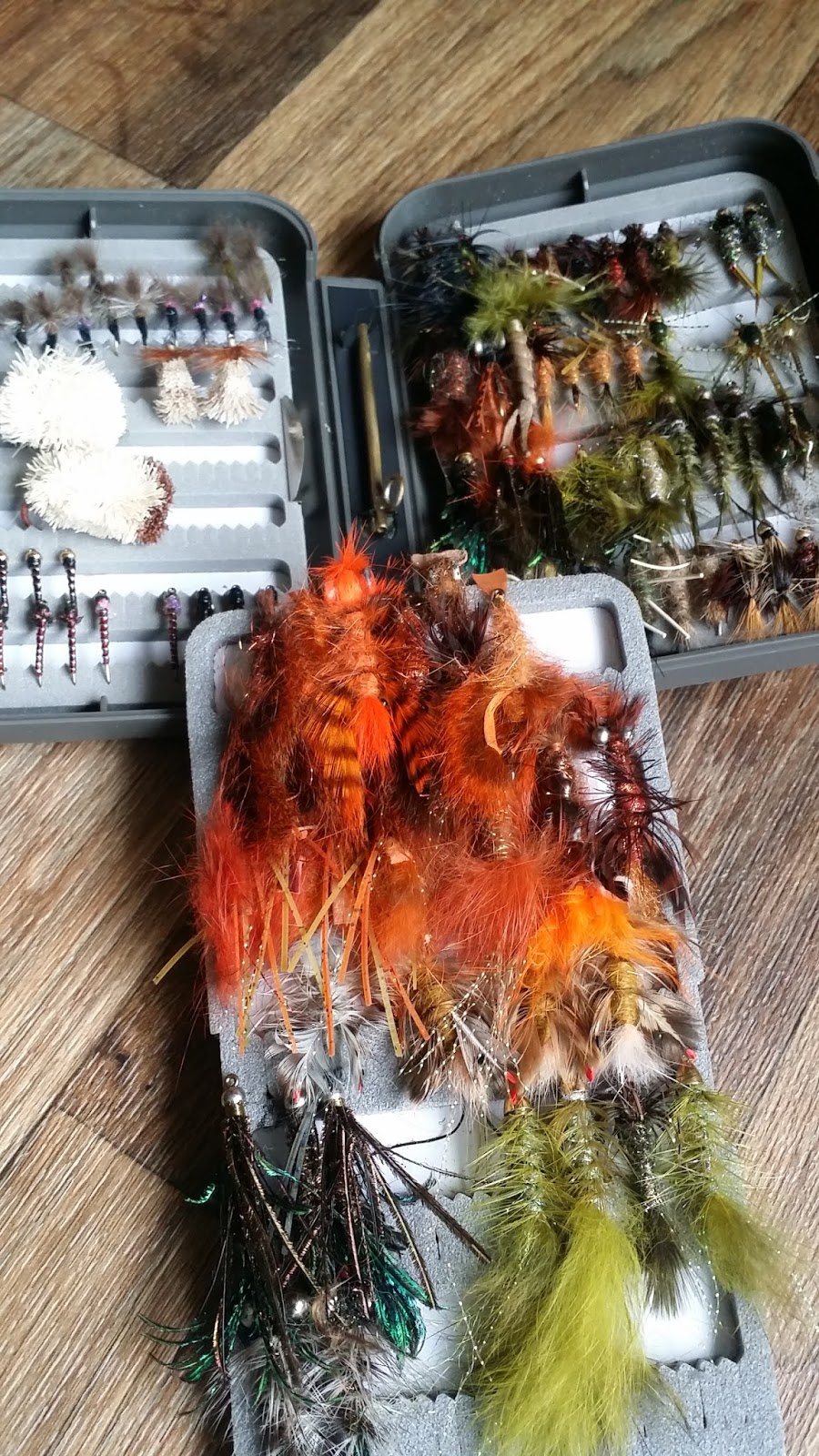
Speaking more on flies, keep it simple and natural. Simple craw patterns and nymphs are my goto’s . Larger craws in #2 and #4 and nymphs in #4- #8s with good strong sharp hooks are the weapons of choice. Think earth tones, browns, olives, rusty orange etc. If the water is dingy or downright muddy black and chartreuse are excellent. Pretend you are trout fishing and match the hatch and the habitat. Rubber legs are always a good idea too. My favorite carp fly is a short rabbit strip on dumbbell eyes with a dubbing body and some nice rubber or silicone legs. My next favorite is the Clouser swimming nymph, which I was turned on to by the guy that wrote the book on carp fly fishing, Brad Befus. A sparse olive wooly bugger is hard to beat too, and produced my largest carp, a 47# grassy!

The White Amur, AKA Grassy


You can catch carp on dries, and if you spend enough time on the water you will inevitably see carp
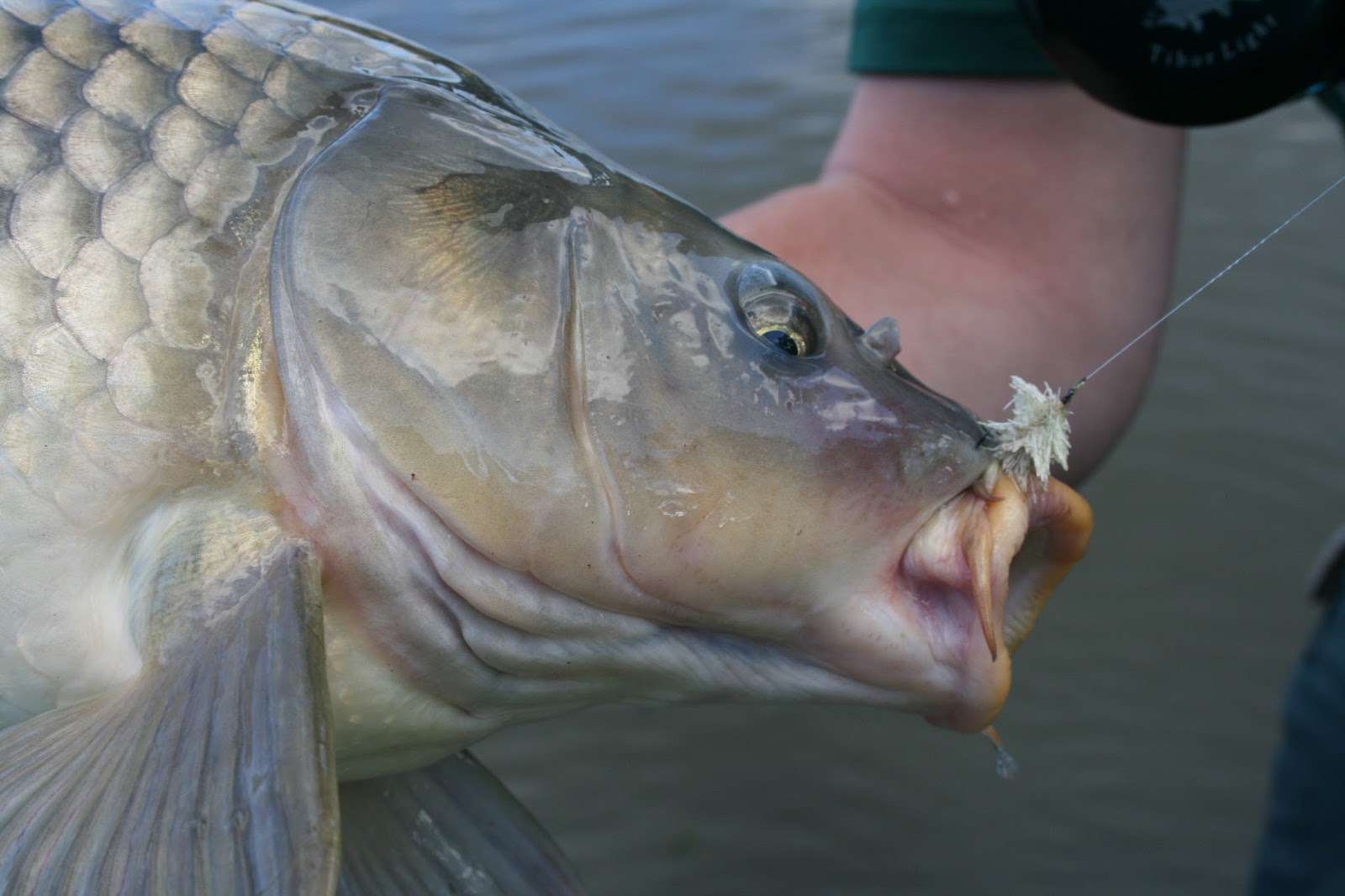
feeding in the surface. Keep some midges in your box in all stages: larvae, pupae/emergers, adults. Hoppers fished near the banks in late summer will also work. I have had some killer fun at night catching caddis slurping carp too. If you have a body of water with cottonwood trees or mulberry bushes on the banks you owe it to yourself to have some flies that represent both. A few white CDC feathers on a hook worked for me when they are eating cottonwood seeds and a burgundy/purple spun deer hair bug will represent mulberries effectively. Mulberry flies not goofy enough for you?
Say what?  Bread fly, *patent pending*
Chum up some fish with bread and try to get them to eat an elk hair bread fly, serious fun and a total challenge.

So what about the gear you ask? It really depends on the average fish you are fishing for. If most of the fish in your water are 1-5lbs, your 5wt trout rod like a Winston BIIIx, NRX LP or Sage One will do the job perfectly. If you are stalking bigger fish I recommend at least a 6wt and I prefer a softer 7wt like the Winston BIIIx. You need to have a rod with some delicacy to present a fly to these fish and both the Sage and the Winston fit the bill. Your reel should have a great drag. My favorite is the Tibor BackCountry wide, but a Lamson Litespeed, Galvan Torque, or Ross Evolution in the appropriate size are all great choices.
Limited edition 1 of 2 Carp Engraved Tibors 
Fly line choice is equally as important. You can do most carpin’ with a floating line, but carp addiction will lead you to add an intermediate sink tip (Rio InTouch Streamer Tip) and intermediate full sink (Rio InTouch Camolux) to your arsenal. The floating line should be delicate, but also be able to handle bigger bugs and wind. The InTouch Rio Gold is a great choice, and if you have a softer rod the InTouch Trout LT is even better. These new InTouch lines from Rio will really help you detect subtle takes with their low stretch braided core. Bonefish or heavy trout leaders in 8-12# are ideal and if you are fishing subsurface I highly recommend fluorocarbon especially in clear water.

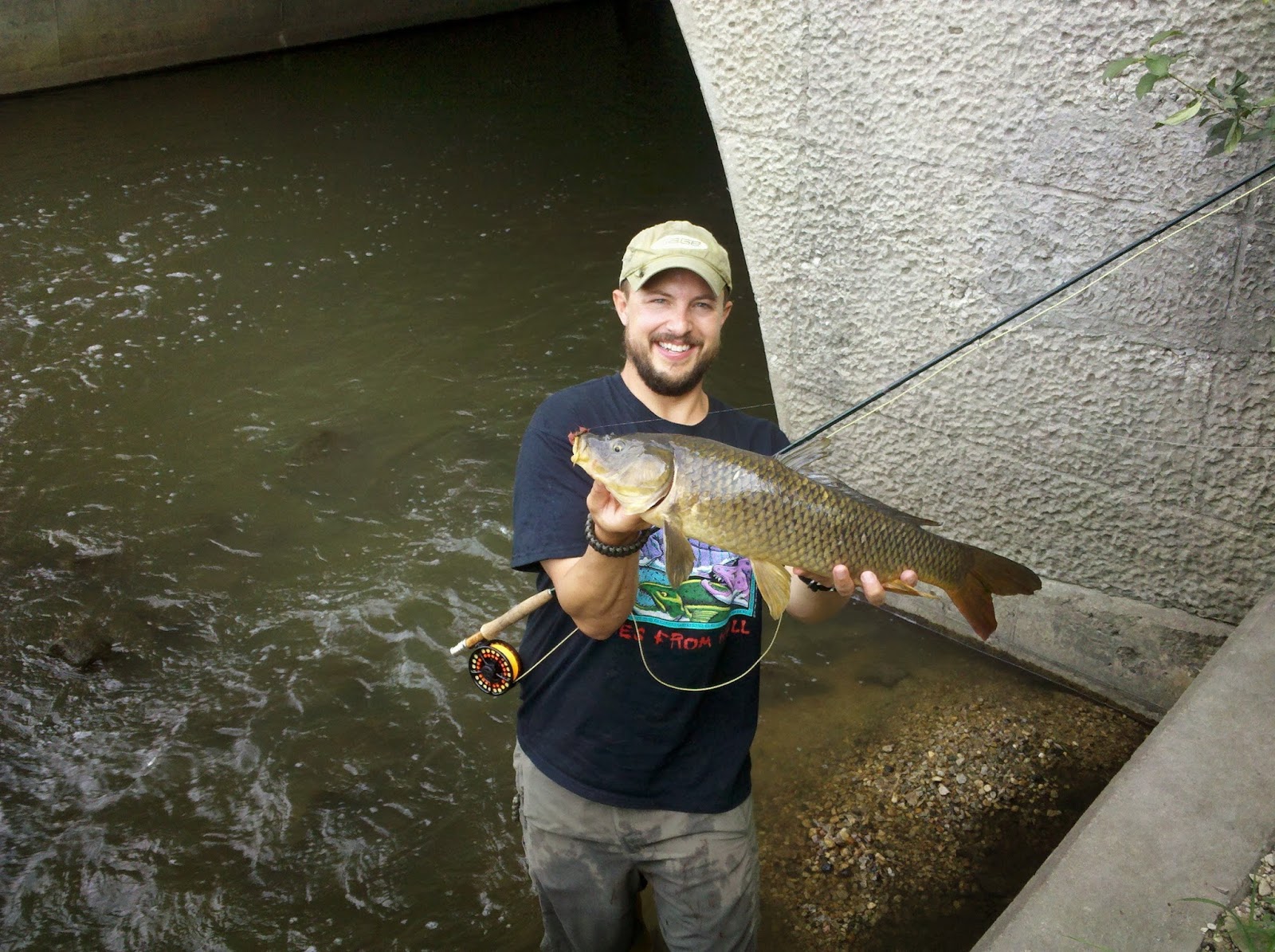
Inner City Carpin'!


There is no hard and fast method to catch carp on the fly, and that’s half the fun.  The beauty of these fish is that they live almost everywhere in the US and most of the world and rarely have the pressure of more glorified species. Take some of my advice or try your own ideas, but my message to you is by all means go try some carpin’.


The Bearded Pescador


Ryan Van Duzor
Gorge Fly Shop | Product Specialist
541.386.6977


Read More from the "Bearded Pescador"


"Fly Fish the World with Us"


Visit our Relaunched Steelhead Only Site

Shop Gorge Fly Shop & SteelheadBum.com

  © 'and' Steelhead.com Mike Prine 2009-2014

Back to TOP