Showing posts with label rio gold. Show all posts

Aug 31, 2022

RIO Glacial Gold Fly Line - Cold Weather Specialist

THE ULTIMATE DEEP WINTER TROUT LINE

With PolarFlex technology that keeps line soft, pliable, and functional in the coldest extremes of trout fishing temperatures.

  • Ideal For fishing conditions 40 degrees and below
  • Improves durability in cold temperatures
  • Maintains inherent soft and easy to handle trout line properties
  • Reduces memory in extreme cold


Snow on the banks? Ice in your guides? Can't feel your hands? Typical trout line coatings perform best between 40 and 70 degrees. Below that range, they get harder, stiffer, and more brittle. Memory becomes an issue and, even worse, ordinary fly line coatings are more likely to crack with use.

Color: Frost White / Glacial Green / Ice Blue

The Glacial Gold is made with a proprietary PolarFlex coating that stays soft, easy to handle, and performing efficiently, even on the coldest days. With the perfect all around application RIO Gold taper, the Glacial Gold will keep anglers on the water and fishing effectively. Taking on those icy cold weather trout days just got a little easier.

Features

  • PolarFlex
  • Surefire
  • Front and Back Welded Loop

https://www.gorgeflyshop.com/store/pc/Sale-Closeouts-c38.htm

"The Gorge"

Gorge Fly Shop Team - 541.386.6977


"Fly Fish the World with Us"

Jun 26, 2020

RIO Gold Premier with SlickCast


RIO Gold Premier is built with SlickCast, RIO's proprietary coating technology, creating the slickest, most durable fly lines on the market. Lab tests show that lines built with SlickCast have the least amount of friction ever measured in a fly line.


The Elite RIO Gold has a taper design that gives incredible loop stability at distance and a front taper that delivers perfect presentation of flies between sizes #2 and #22.

With a long head and back taper this line is an excellent all around fly line on rivers and lakes when long casts and complete line control are required.


The RIO Gold is the ultimate all round, floating line for the trout fly fisher.

Shop RIO Fly Lines with NEW SlickCast


https://www.gorgeflyshop.com/store/pc/Sale-Closeouts-c38.htm

"The Gorge"

Gorge Fly Shop Team - 541.386.6977


"Fly Fish the World with Us"

Jun 24, 2020

RIO Gold Elite New with SlickCast


RIO Gold Elite is built with SlickCast, RIO's proprietary coating technology, creating the slickest, most durable fly lines on the market. Lab tests show that lines built with SlickCast have the least amount of friction ever measured in a fly line.


The Elite RIO Gold has a taper design that gives incredible loop stability at distance and a front taper that delivers perfect presentation of flies between sizes #2 and #22.

With a long head and back taper this line is an excellent all around fly line on rivers and lakes when long casts and complete line control are required.


This line is built with RIO's low-stretch ConnectCore Plus, resulting in exceptionally smooth, durable fly lines, with the added benefits of incredible levels of sensitivity when casting and fishing, and providing enhanced detection of takes, faster hook sets, and far greater control when playing a fish.

Shop RIO Fly Lines with NEW SlickCast


https://www.gorgeflyshop.com/store/pc/Sale-Closeouts-c38.htm

"The Gorge"

Gorge Fly Shop Team - 541.386.6977


"Fly Fish the World with Us"

May 15, 2020

Sage Sonic Fly Rods - New for 2020

All New for Spring 2020 is the Sage Sonic Fly Rod


Equipped with Konnetic Technology Sonic finesse for dry flies and powerful enough for streamers. Lightweight, crisp, responsive, everything you ask for in a fly rod.

MULTI-APPLICATION MULTI-APPLICATION / FAST ACTION

Whether laying down dry flies with finesse or delivering streamers to distant reaches, the SONIC family of rods provides uncompromised versatility, with a balance of power and feel. Delightfully crisp and lightweight, the SONIC has a level of performance that stands out from the crowd with a fast action taper designed to cover a wide range of fishing applications from dry fly, streamers, to nymphing - floating lines to sinking.

Built on Konnetic Technology blanks, casts with the SONIC are as intuitive as they are natural - responsive in hand with excellent tracking qualities. Ready for any application the day has instore.

Dressed in a Juniper shaft color with Hardwood insert (anodized aluminum matte slate on fighting-butt models), and charcoal thread wraps that blend into the blank accents, the SONIC sports a timeless and elegant look that fits into most any fly fishing environment. Handcrafted in the USA and packaged in a premium rod bag and tube, we’ve pulled out all the stops to create a family of rods ideal for any application - any angler.

Cast With Confidence.

BENEFITS
  • Covers A Variety Of Applications 
  • Premium Blank And Componentry 
  • More Accuracy And Lighter Weight 
FEATURES
  • Konnetic Technology 
  • Juniper blank color 
  • Charcoal primary thread wraps with Gunmetal trim wraps 
  • Fuji ceramic stripper guides 
  • Hard chromed snake guides and tip-top 
  • 3wt to 6wt - Super Plus snub-nose half-wells cork handle Hardwood insert with anodized aluminum up-locking reel seat 
  • 6wt to 8wt - Super Plus full-wells cork handle with cork/EVA fighting butt - Corrosion resistant anodized aluminum reel seat in Matte Slate 
  • Integrated “hidden” reel seat hook keeper 
  • Black rod bag with Titanium logo and Green model tag 
  • Matte Black powder coated aluminum rod tube with Sage Medallion 
LINE RECOMMENDATION - Primary: RIO Gold

Shop Sage Fly Rods

https://www.gorgeflyshop.com/store/pc/Sale-Closeouts-c38.htm

"The Gorge"

Gorge Fly Shop Team - 541.386.6977


"Fly Fish the World with Us"

May 8, 2016

The Lake Line Shootout!

Feel lost in a sea of lake lines?

There comes a time when things need to be broken down and analyzed.  Sometimes the choices in fishing and life can be totally overwhelming. While preparing for our annual desert lake fishing extravaganza I was having a hard time choosing which lines to bring.  If I work at a shop and felt that way, anyone who doesn't work in a fly shop would certainly be feeling the same way or even more distraught.  

Decisions, decisions...  Let me help you avoid the lake line conundrum.


My goal in this article is to give you recommendations for lake lines from each of our major companies: Rio, Airflo, and Scientific Anglers.  Each company (Thanks Georgie, Eric and Garry!) was kind enough to supply me with an assortment of lines to cover most any lake situation you might encounter, from floating to fast full sink. 


Here is the starting lineup!

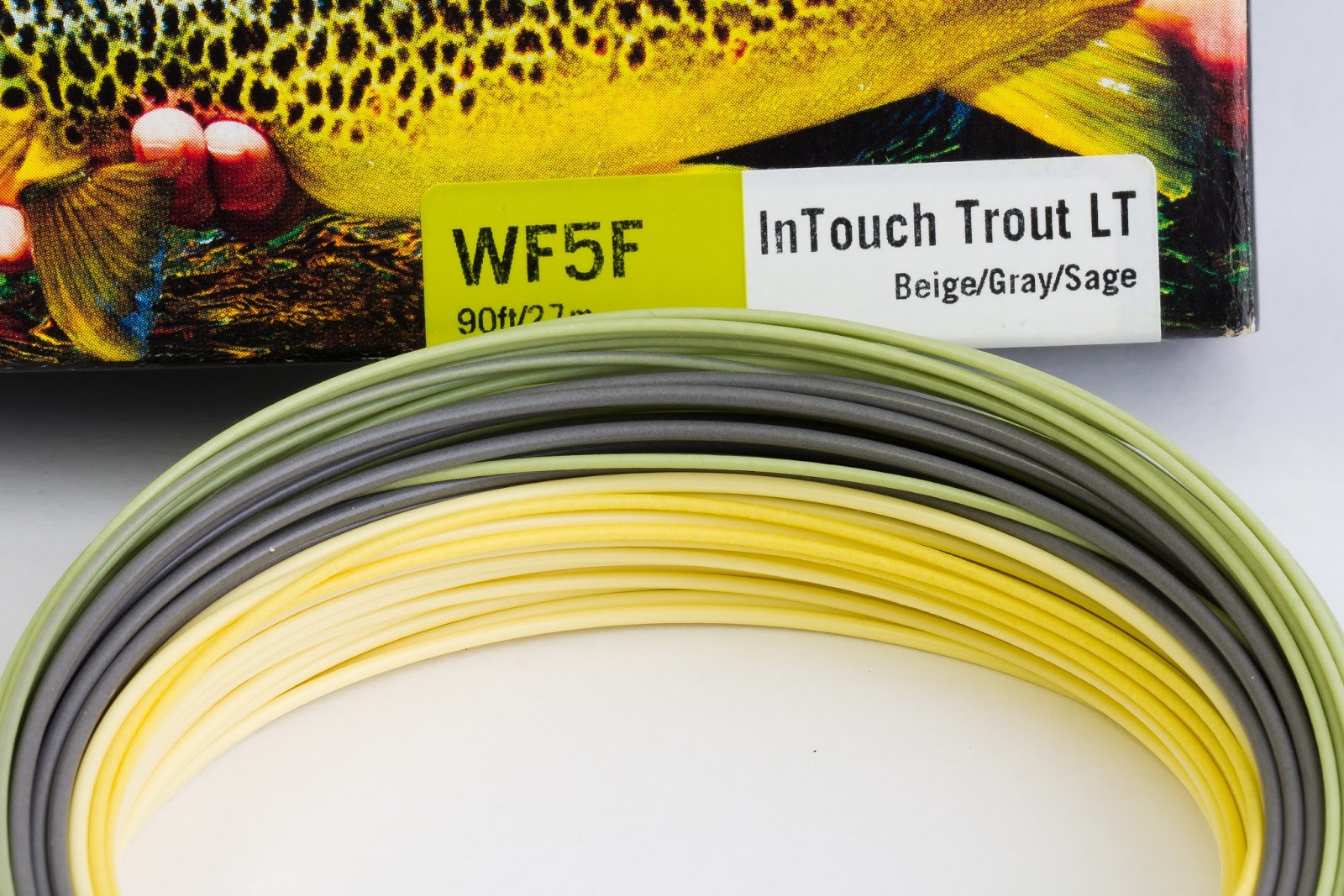
Rio InTouch Trout LT WF5
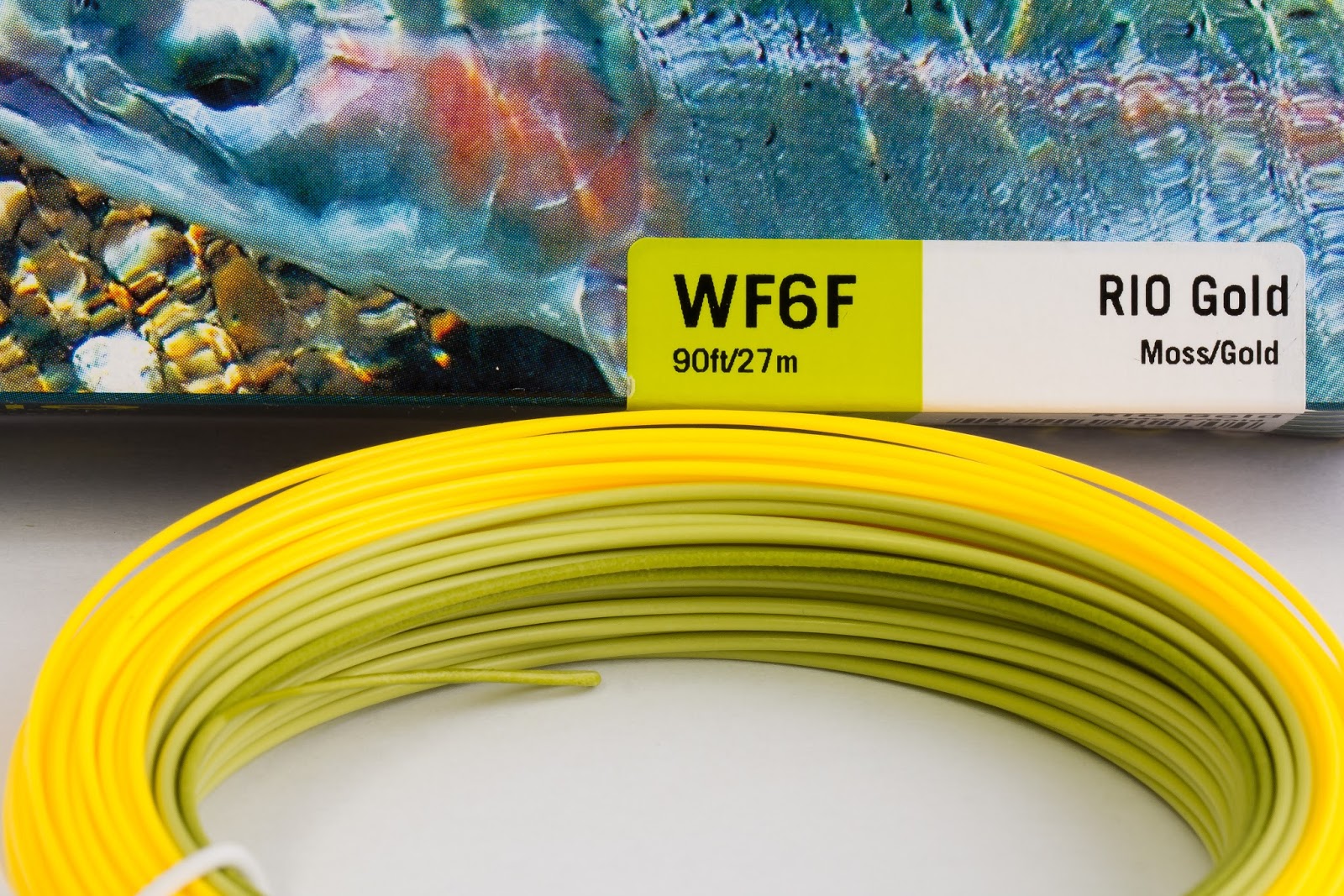
Rio Gold WF6
SA Mastery SBT WF5

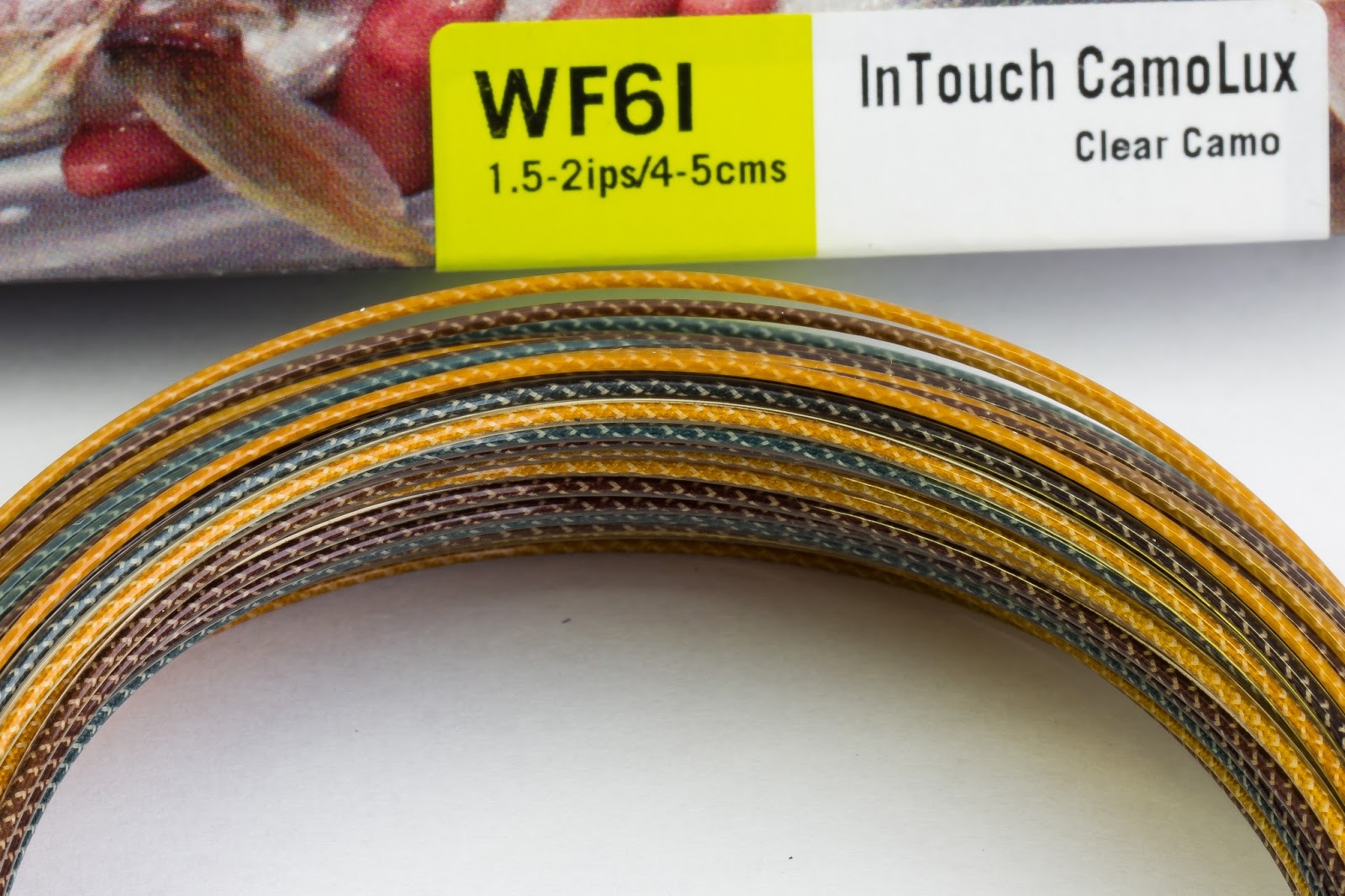
Rio InTouch Camolux WF5
Airflo Camo WF6
Airflo Ridge Clear Delta Slow Intermediate WF6/7
SA Sonar Stillwater WF6

Rio InTouch Deep 6 WF6
Airflo Sixth Sense Sink 7 WF6/7
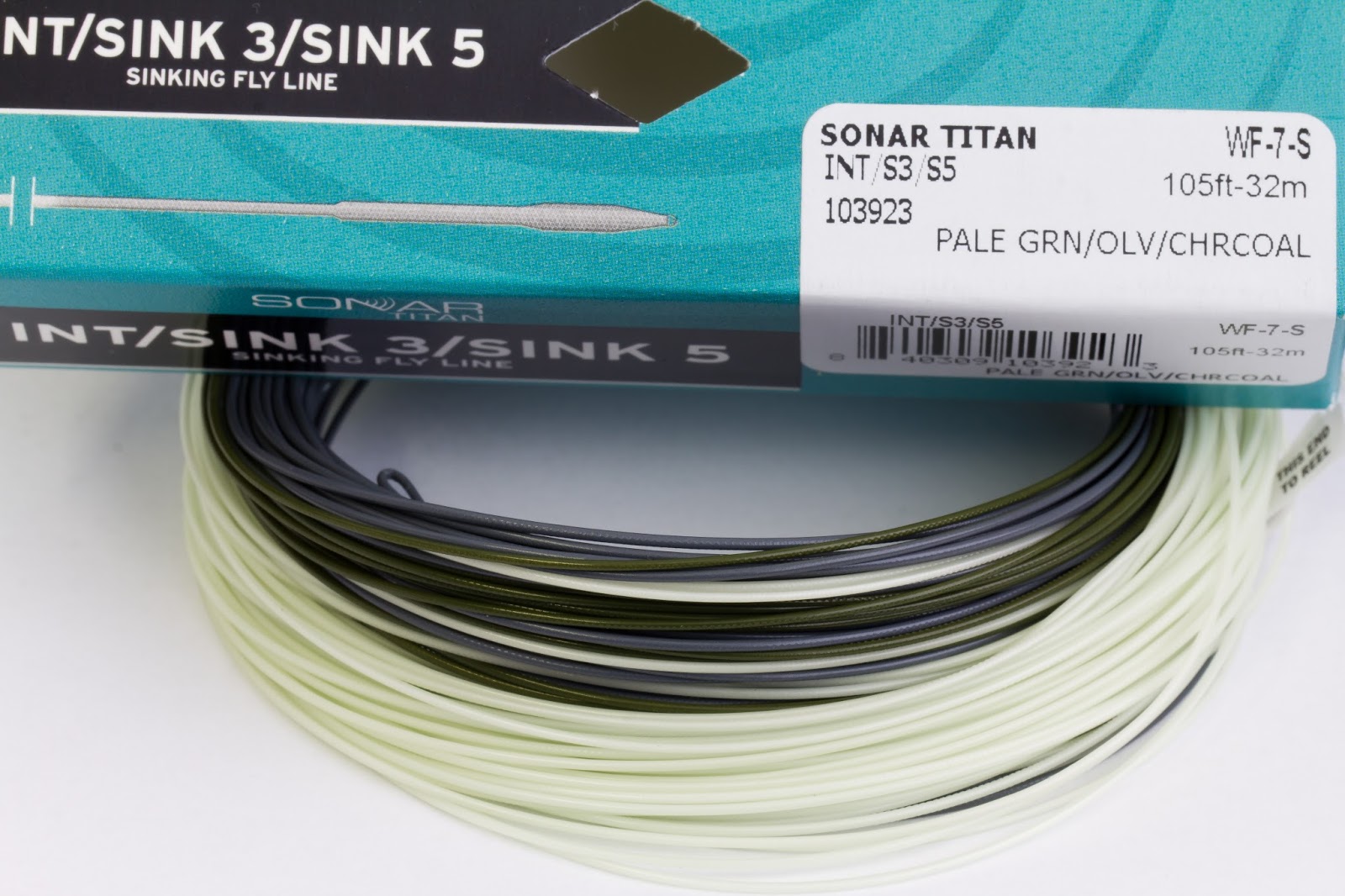
SA Sonar Titan Int/Type3/Type 5 WF7

It's hard work, but somebody's got to do it!


Killer Callibaetis Hatch = Pure Fun


Floating lines:

I use the floating lines primarily for chironomid/bobber and dry flies in lake fishing scenarios.  I fished a Winston LT 8'9" 5wt, a Winston WT 9' 6wt  and a Winston Boron IIIx 9' 5wt for these lines.


Rio InTouch Trout LT WF5

Rio describes this line as " The ultimate line for delicate presentation", which I think is fairly accurate, though I believe they are limiting themselves as it can do much more than that, especially on softer rods.  This line has the braided low stretch ConnectCore.

Pros:

The Rio Trout line has always been one of my favorites.  The new InTouch is no exception.  This is an excellent all around trout line, especially on less fast rods like Winstons, Loomis LPs and even the Sage Ones.  It has an elongated taper that turns over nicely and will present small flies really well.  It will also handle nymphs and smaller streamers with ease.  I fished this line a lot both with chironomid/bobber rigs and with dries (midges and Callibaetis).  This line helped me take advantage of the killer Callibaetis hatch we ran into, and the low stretch core definitely helped me hook some long distance fish that I would have probably missed with a "regular" line.  If you are unfamiliar with the ConnectCore, it has minimal (4%) stretch, while other Rio lines have up to 22% stretch at breaking point.

Cons:

It certainly handled the dry flies better than the bobber rig, but never was it so bad that I didn't want to use it for that technique.  It is also the rod I switched back and forth from midge larvae/pupae to dry flies throughout the day, so it was important that it do both.  This line gets heavy on long casts too, which for a fast rod is no problem, but on slower rods, like my Winston LT and WT, it is too much weight.  That being said, on shorter casts, it is butter.  It is super delicate on my softer rods, and any rod for that matter.

Rio Gold WF6

Rio proclaims this line as "The ultimate all around floating line for trout"  and I would have to agree. 


Pros:

This has been my go to floating lake line for a long while now.  It casts beautifully, especially on longer casts that are the norm on lakes.  It handles nymph rigs better than the Trout LT too, with some sacrifice in delicate presentation.

Cons:

It doesn't cast short distances particularly well.  It is clunky at those short casts, with dry flies especially.


Scientific Anglers Mastery SBT WF5

The is SA's "Short Belly Taper" line.   A pretty unique short head taper for delivering flies at short to medium range and made to turn over weighted flies but will lighten up with long leaders for delicate presentations.  This line has a braided multifilament core.


Pros:

This was the sleeper line of the group and one I wouldn't have considered for lake fishing had Garry our SA rep not recommended it.  The beauty of this line becomes apparent when you put a long leader and 2 or 3 chironomids on the end.  It has such a short head that it can turn over super long leaders which essentially add to the front taper.  I was able to turn over a 15ft leader with 3 midges and a bobber.  Pretty remarkable!

Cons:

This is not an all around floating lake line.  It struggles with longer casts and normal length leaders and dry flies.  It is a specialty line really, which is not a bad thing, but when looking at your setups it is important to know it's limitations.


Intermediate Lines:
Buggers fished on intermediate lines are so money!

Intermediate sinking lines are my go to for most lake fishing scenarios.  If you are going to have one line for lakes fishing, make it an intermediate.  I use these for everything from Callibaetis and damsel nymphs to buggers and streamers.  I fished these lines on my Winston WT 9' 6wt, a Sage ONE 9' 6wt, and a Sage XP 9' 6wt.


Rio InTouch Camolux WF6

This is Rio's go-to intermediate InTouch line and is the only low-stretch intermediate line that we tested. 


Pros:

Great line to cast and fish.  Shoots like crazy and can make quick accurate casts with little effort.  Handles the wind beautifully.  The InTouch core does indeed increase strike sensitivity and helps you hook fish faster with less missed fish.  Though the least transparent if the intermediate lines I tested, the fish didn't seem to care at all, even in the clearest lakes.  I think the broken camo coloration works well and looks good in many different water turbitities.  This line was easily my favorite intermediate line of the bunch.

Cons:

There is some amount of stiffness and memory in the coating.  There are times where your line will knot up if not handled properly.  The use of a stripping apron or basket will certainly help, and it was never so bad that it made me curse.

There is a "hang tag" that is a one inch section of tubing/heat shrink on the line twenty feet or so from the end of the line that indicates when to pick it up and re-cast or fish the "hang".  I think the hang tag could be better implemented if it was part if the line as opposed to glued over the line.  It wasn't as annoying as with the Rio full sink, but there were a few times where I thought I had a bite when I stripped it through the guides and I have little doubt that it does affect the sink rate of that section of line to some degree.

Airflo Camo WF6

Airflo recommends this intermediate line for fishing in weed beds for spooky fish.  It has a very supple camo mono core and has an elongated delta taper.


Pros:

This was a real hopeful for me.  I like the camo/clear look and the delta taper sounded appealing.  This line was the most supple of all of the intermediate lines I tested.  It was easy to handle and strip.  I primarily fished this line with buggers, Callibaetis nymphs and leaches.  This line really excelled when you needed to make long casts and have a more delicate presentation.  We ran into a lot of rising fish that wanted nothing to do with any of our dry fly offerings but would take a well presented mayfly nymph.  This line certainly helped with that.  In very cold clear conditions this should be your line of choice.

Cons:

The delta taper is not a quick casting line.  It takes 2-4 back casts to get the taper to a point where you can make a reasonable cast and turn over the fly.  So the caveat with this line is that it is not for tight quarters or quick casting scenarios.  It also struggles a bit in the wind, again because of the elongated front taper delta design.  Once you get the head outside of the rod tip it works better in the wind, but as anyone who fishes in the wind knows: more backcasts = you're going to have a bad time.  The coating on this intermediate was also the stickiest of the intermediates I tested, though not nearly as bad as the clear "goo" lines of old, when dry the line stuck a bit in the guides and fingers.  When wet though, it shot very well.

Airflo Ridge Clear Delta Slow Intermediate WF6/7

Airflo recommends this line for clear water lakes and for making longer presentations to wary fish.  It has a mono core and their ridged coating along with their elongated delta taper.


Pros:

This line performs well in very similar scenarios as the Camo line above.  It has the same delta taper, but is built with a clear ridged coating.  I didn't find the ridge line to be that noticeable and didn't think about it much while fishing it.  The line shot fine and handled well.  The slow intermediate sink rate was really nice for fish that were hanging in very shallow water as you could work a fly slow enough without getting hung in the weeds.

Cons:

The cons on this Airflo line are pretty much identical to those of the Airflo Camo.  The delta taper has it's limits and does not work very well in close quarters, windy days, or for quick one backcast presentations.  I found there was a bit more stiffness in this line as compared to the supple Camo line. This line takes up a large amount of space on a reel because of the long delta taper and ridge coating. If you are switching lines out often, it requires you to remove some backing from your reel compared to a typical floating line.

SA Sonar Stillwater WF6

This is the only truly "clear" line in the bunch I tested.  SA recommends it for windy conditions and stealthy presentations.  It has a stiff mono core.


Pros:

When stretched out and untangled this line shoots like a laser.  It makes quick and effortless casts.  The line is very sensitive due to it's stiff core and coating.  I rarely missed a fish.  The all clear line may be an added help in spooky fish/ultra clear water situations, though the jury is still out on this hypothesis.  All of us in the shop are in agreement that line color matters very little and that presentation is far more important.

Cons:

Well I hate to dog on it, but the curse factor was very high with this line.  The monofilament core and stiff coating make this line nearly unmanageable in cold water.  I had to re-stretch the line every time I reeled in, and the times the line snarled outnumbered the times that it didn't.  It was a major bummer, especially when I felt how good the line could cast when it didn't knot up.  I am going to try this line again in the heat of the summer as I think it will be an absolute awesome warm/tropical line.  I am thinking carp and bonefish...  I unfortunately can't recommend this line for cold water use.

Sinking lines:

Casting and trolling deep weed edges with a sinking line
 is a killer midday technique

These are the deep water fishing lines.  In the heat of the summer you need to get down to the fish, and they will generally move up and down vertically in the water column as the day progresses.  These lines are designed to help you find that zone and stay in it.  You can fish just about anything on a full sinking line, but I find buggers, streamers, and larger nymphs to be the most effective.  I fished these lines on a Sage ONE 9' 6wt, a Sage XP 9' 6wt, and a Winston BIIIx 9' 7wt.

Rio InTouch Deep 6 WF6

This is one member of Rio's extensive InTouch Sinking Line series.  It has their braided low stretch ConnectCore, a hang tag marker and a 30ft WF head.


Pros:  

Very easy casting full sinker.  A couple back casts and let her fly!  Sinks fast and keep a nice straight line to the fly with the density compensation.  An overall very good full sinking lake line.

Cons:  

The hang tag.  **ATTENTION RIO**  Please find a better way to mark the line.  The idea is there, but the raised hang tag seems to alter the sink rate and creates a slightly buoyant spot that does seem alter the presentation and defeats the purpose of density compensation.

Airflo Sixth Sense Sink 7 WF6/7

This is one of Airflo's storied Sixth Sense series lines.  It has their low stretch Power Core and has a very unique marking system at 10', 20' and rear taper (40ish').  This line again has their delta taper and is the only line without any welded loops in the group.


Pros:

Sinks like a rock.  Great density compensation.  The line markers are color indicators that tell you when you're at 10', 20' and around 40' (rear taper).  I immediately found myself using the line markers both in casting and during the retrieve or troll.  You could instantly know when you are far enough in to pickup and cast, but more importantly I could duplicate fishing depth by let the line out to certain distance.  This is an incredible tool for lake fishing, and I will be adding a type 3 into my arsenal to compliment the type 7 dredger.

Cons:

All type 7 lines are weird to cast.  They are super heavy and a bit awkward.  You will find that less is more when casting this line.  just get a good backcast loaded and let it fly.  A welded loop should be added to this line too.  It was the only sinking line or intermediate line I tested without one.  Not a big deal, but certainly convenient.

SA Sonar Titan Int/Type3/Type 5 WF7

This line is part of SA's SONAR series of sinking lines and has their Titan taper as well as a triple density design that has a type 5 tip, type 3 mid section and intermediate running line.  It also has a braided multifilament core.


Pros:

The best casting full sinking line I have every used!  The triple density sink rates really give you a straight line presentation and certainly help with line management and in casting ease.  The Mastery texturing is not annoying and I have no doubt that it helps with line shooting and durability.  I could cast the entire line if I wanted to.  Throws big flies much better than the other full sinking lines too, but I fished a #10 bugger and smaller Callibaetis nymphs on it with no problem.  The triple density also give you 3 color ques, which, like the Airflo sixth sense, is a huge asset to lake fishing and depth control.

Cons:

Honestly, not really any cons other than maybe not the most delicate full sinker, but none of them really are.


Game time...
OK, so I have broken down most of my thoughts on each line for you.  Sometimes numbers help folks get a better handle on things so I came up with a totally subjective rating system for these lines.
Here are the breakdowns on each rating category:
The full arsenal

Color- This refers to line color, pattern, shade etc.  I rated the color mainly on how it helped me fish, not necessarily the color itself

Casting Ease- How hard you have to work to cast each line

Handling- How the line handles/coils/limpness/stripping etc

Short casts/Long casts- Pretty self explanatory. Short= 5-30ft Long= more than 30ft

Sensitivity- How easy it is to detect a strike or weeds/bottom

Versatility- How well the line works with multiple scenarios/techniques/flies

Shooting- How well the line shoots during casting

Fishyness- This is a misc. category, mainly to describe how well the line fishes in general.  Some lines integrate really well into your fishing program and some can hinder your intentions


So that's the tail of the tape.  Here are my conclusions and awards:

Lake fishing for trout certainly requires some specialty gear and unique techniques just as river fishing does.  Most likely your floating line will pull double duty, but if you are serious about lake fishing you need to get some intermediate and sinking lines.  With all the advances in fly lines in the last decade there are a multitude of excellent choices, and most any line will work pretty well.  That being said, here are my top choices...

Best Floating Lake Line:  RIO GOLD!  

           Though the ratings came out close, if I had to choose one, it would be the Rio Gold, and with the new InTouch version it would have rated higher than the Trout LT.  A killer all around floater for midging and dries!


Best Intermediate Lake Line:  Rio InTouch Camolux!  

          There are a lot of excellent lines in this category, but the Rio Camolux shines above the rest for pure fish catching mojo.  Easy to cast and deadly effective!


Best Sinking Lake Line:  Scientific Anglers Sonar Titan!

         The SA Sonar Titan is just awesome!  Very easy to cast and will handle anything.  The Airflo Sixth Sense is an excellent line as well, but has some of the limitations of traditional sinking lines.  The Titan taper is just so user friendly it's hard to beat.


Overall Best in Show:   ...  Rio InTouch Camolux!


Now let me preface this by saying that any real lake badger worth his/her salt should at minimum have a floating line setup and a sinking line setup at all times.  But if you are on a one line budget, or just want to dip your finger in for a taste of lake fishing, buy the Rio InTouch Camolux.   It is easy casting, easy handling, fish catching goodness. This line will help you put more fish in the net!


So there we have it.  Hopefully you have a better handle on the lake line options out there and can make an educated decision.  I also hope that this article might inspire you to try lake fishing for trout.  It is a totally unique experience and provides some interesting challenges not found in river fishing.  I find that spending some time before a trip to get things in order pays off in the end and not having to concern myself with my equipment while fishing makes for a more enjoyable fishing experience. The most important thing is that you have fun, and your gear shouldn't get in the way of that!


Get out there and explore!


Ryan Van Duzor
Gorge Fly Shop | Product Specialist | Lover of Carp
541.386.6977


Read More from the "Bearded Pescador"


"Fly Fish the World with Us"

May 6, 2014

Rio Trout Lines - Defined!

Choices, Choices

The Weight Forward Floating Trout line defined!

You decide it's time for a new fly line for your trout rod. You go to your local store or online and BAM! You're hit with more choices than a fast food restaurant menu. Only difference is these aren't dollar items. Make a wrong choice and it's a spendy mistake.

But how do you know what line is right for you and your rod? There is no master list of what line is right and to complicate matters even more is some of the options are personal preference or technique specific.

My attempt here will be to break down this process into a step by step flow that can help you determine good fly line choices for your needs.

Question One -What brand, model and line weight is your fly rod?

Over the years I have been shocked as to how many anglers walk into the shop to purchase a new fly line and cannot answer any of these questions. One size fits most does not exist in fly lines.

Question Two - What is the primary use of the fly rod you are purchasing a line for? 

Example: dry fly, nymph indicator, streamer, bass bug or all around general purpose. If general purpose is your answer then we can revert back to step one and choose the line based on what's best for your rod. If your primary purpose is one of the other choices listed than it might worth looking at other options that would suit your rod and your purpose.

Question Three - What is your casting skill level? 

I've listed these questions in order of importance and while skill level may fine tune the best line match it's still going to be dictated by question one and two.

At this point if your only desire is to purchase a new fly line then call or email us with the answers to these questions and our experts will provide you with the best line possible. If you're interested in learning how we come to these conclusions then please read on.

Brand, Model and Line weight of your rod.

Why is the number one question the most important? First let's get line weight out of the way. Fly Rods are designed to load under a predetermined weight of the fly line. The fly line weight is measured in grains and consists of the first 30 feet of a fly line. In most cases it is in your best interest to match the line weight to the fly rod line weight. Brand and model help us determine the action of your rod. Fast action rods generally like a more aggressive line than a slow or moderate action rod. Quite often we hear anglers tell us that they don't like their very expensive fly rod and most often after we ask a couple questions we find that the line match is totally inappropriate for the rod. A quick parking lot demonstration with a well matched line can quickly change your opinion of a rod.

Primary use of your fly rod

If you answered general purpose to this question then most likely we just revert back to what line is a best match for your rod. If your rod is used for some very specific purposes then you might want to consider a specialty line that better suits your needs. For example a line that would be ideal for casting small dry's to trout probably won't cast a big wind resistant bass bug very well. Or an indicator line will handle the hardware and mend easily but won't win any distance or presentation awards. If your rod is used for a very specific purpose there might be a line choice that can really improve your fish-ability. Examples of some technique specific lines are provided below.

Your casting skill level?

Regardless of casting skill level, question one must still be answered first. Really well experienced casters might prefer line speed cast over a load cast. I know! I know I just threw more technical jargon at you. I'll attempt to explain that later but in general, beginner and/or intermediate casters will normally prefer the deeper loading more aggressive shorter head fly lines and experienced casters generally prefer longer and lighter lines that develop more line speed.

Load Cast vs. Line Speed Cast

While I understand this I'm not sure I'm qualified to explain it. Let's turn to the fly rod for the answers. Why do we have fast action rods? Fast action rods are capable of longer casts because they can create faster line speed. We can slow down a fast rod with a heavier line and the result will be a greater feel (load cast) of load in the rod. Most beginner and/or intermediate casters will prefer a load casting line because of the increased feel (feedback) from their rod. Really well experienced casters can detect the load feel with lighter (faster) lines thus giving them even more line speed for an even longer cast.

I turned to George Cook (Northwest Sage, Rio, Redington Representative) for a more detailed description of Load vs Speed.


“Load VS Speed” The “Casting Personality”

Every angler indeed has what I like to call a “Casting Personality”. In this, folks can and will show a preference to either the LOAD or SPEED aspect of the integration of the Fly Rod and Fly Line as a working tandem. This is not a good vs. bad perspective but rather an identifiable preference that once found will play into maximum effectiveness and enjoyment for the angler.

LOAD Caster: 

 The angler in this camp has likely been around a spell and has seen and/or fished a host of Rods throughout his career (Graphite/Glass even Bamboo). The preference for load can be identified based on a caster’s history (with rods), his expectation to/for Rod load or even in the case of a beginning angler a need for increased weight placed in the load cycle (RIO Grand Line providing a prime example here) to provide increased thrust in the cast as the caster works his way through the challenges of fly casting. Sometimes even a line speed caster will want increased load based on the fishing task at hand. A great example that I can attest to is indicator fishing with egg patterns, beads or steelhead nymphs in the Pacific Northwest and Alaska. In this I will often “Bump One Up” on an Indicator line on a given rod (Say a WF-8-F on a 7100-4 / 10’ 7 weight Rod) as this often proves to be the ticket to really functioning with the tool set. Roll cast, modified spey cast are greatly assisted with this bumped up format and often the mending required is enhanced as well.

SPEED Caster: 

“The Children of the Graphite Age” often fall into this, Circa late 1980’s onward when the arms race in graphite rod development went full bore in the United States. Nothing beats line speed and in this many casters want/desire maximum speed without reliance even recognition of traditional or parabolic load aspect. Often referred to as “Point and Shoot” casters that relish the high line speed produced by today’s modern rod designs.

Bottom Line is this: 

No matter which shoe fits you best “Load vs. Speed” is what matters and what makes you both confident and effective afield. The savvy often develop given parameters based on specific fishing scenarios and play Load where needed and Speed where desired, I for one fall into this . As a Fly Fishing rep of 25 years I can tell you that what I feel is important is for the caster to function well and with confidence. It is super helpful and important for the angler to seek out help and guidance in his local shop as just a couple minutes of casting generally will identify your “Casting personality” and that can and will lead to better line selection and success on the water.

George Cook
April 21st, 2014

Rio Trout Line Choices


Rio Gold


All around trout line
The Rio Gold is our number one selling general purpose all around weight forward floating line. I call this line moderately aggressive and is well suited for mod-fast to fast action rods and a variety of general purpose for anything from indicator/nymph rigs to gentle presentation dry flies. Its longer head length can carry a cast well and allows for good mending/line control.

George Notes: Geo’s favorite line as it does a host of things really well both close, mid and long range . The Gold tends to simply light up most rods and allows the caster to maximize his rods potential in a smooth yet power under control manner.


Rio Grand


Ideal for fast action rods
The Rio Grand is your fast action rod line. If you own a fast action rod that you are having a hard time casting, try a Rio Grand fly line on it. I'm willing to bet you'll find the love in your fast action rod. The Rio Grand is a front loaded short head line that will help fast rods load deep with less line out providing more load feel. We would call this a load casting line. Because of this short powerful head this line can carry some big flies so it makes a good big bug line.

George Notes: The workhorse that comes ready to play every outing. Guaranteed “Load effect” ensures that the angler is hitting his pitches both close and far. To be sure, is the fast Rod line of choice that will perform well at all ranges.


Rio Perception


My undisputed favorite
The Rio Perception is my undisputed favorite weight forward floating line. A couple of reasons have won me over. The head length is both shorter and lighter than the Grand or the Gold making it a line speed casting line, but wait, the ultra-low stretch ConnectCore actually helps to provide a sense of load feel which helps improve cast timing. ConnectCore technology also helps improve strike detection and hook sets. This line can fit a wide window of fly rod actions and seems to be most excellent with mod-fast to fast rods.

George Notes: The first of the Connect Core Trout offerings is relatively new to the scene but catching on rapidly with hard core trout anglers throughout the west. The Multi Color Coded format offers distinct strategical advantages in that the first color change at 20’ represents what I like to call the “Trouty Range” as within this 20’ of line you will likely engage 75%+ of your Trout opportunities particularly from a well rowed boat. The second color break point represents what I like to call “Load point for mid to long range”. In this the 35’ mark represents upon aerialization as easy load mark for a 50’-70’ cast. This is not only an effective built in guidance system but a wonderful teaching-reference tool for angler/instructor alike.

Rio Trout LT (light touch)


A trout fisherman's trout line
The Rio Trout LT is what I consider the true trout line. It is a rear loaded long front taper fly line perfect for subtle dry fly and emerger presentations. The taper of the head makes it easy to roll cast and can even perform single hand spey cast. The Rio Trout LT is best for moderate action trout rods.

George Notes: Aa Ha, the Trout Fisherman’s Trout Line. When presentation/accuracy and delicacy meet on the curve this is the call as the “Go To” line in both Weight Forward and New /Old School Double Taper in line weights 2 thru 5. Spring creeks, focused dry fly game, spinner falls, ...anywhere when the "1st shot is your shot at success" this is your line.


Rio Indicator II


Handles the hardware
The Rio Indicator II is your special purpose nymph line. If your primary purpose is fishing nymph/indicator this is the line you want. The long head length has an aggressive front taper which allows easy turnover of indicators and heavy flies. The long back taper allows for excellent mending control. The orange high-vis tip provides easy strike detection. These lines generally work well with most moderate to fast rod actions.
George Notes: No better line for the job at hand of getting all the “Junk In The Trunk” moving and turned over into the intended target area. Today’s nymph-indicator rigs pose challenges to today’s angler and this is THE LINE to maximize success when fishing such setups be it Trout or Steelhead.


Rio Power Fly


Heavy metal
If the Rio Grand is Rock and Roll then the Rio Power Fly is Heavy Metal. Many anglers today have embraced the modern ultra-fast action rods and are pushing the fly size to monstrous proportions. The Power Fly's short aggressive front taper easily casts large streamers and terrestrials. The Rio Power Fly is best for fast to ultra-fast action rods.
George Notes: This is a fantastic choice for the Angler visiting Alaska or British Columbia for Silver and Chum Salmon in that it will excel at hucking the “Big Nasties” like Wogs/Lead Eye Leeches and similar concoctions that get it done in the North Country. Can double as a pretty nice west coast Bass line as well.


I recently heard someone say "There are no bad fly rods today, just bad line choices." I believe there is a lot of truth to that statement. I hope this article helps you find the right line for you, your rod and your fishing.

For information about lake lines read; Get InTouch with Rio Lake Lines

Gorge Fly Shop Internet Sales Manager | Product Specialist


"Fly Fish the World with Us"


Visit our Relaunched Steelhead Only Site

Shop Gorge Fly Shop & SteelheadBum.com

  © 'and' Steelhead.com Mike Prine 2009-2014

Back to TOP