Showing posts with label salmonflies. Show all posts

Feb 8, 2024

"Let us Fill your Fly Box"

You have heard the saying "Let us fill your cup" often used by wineries and brew pubs.
Well here is our Gorge Fly Shop Version 

"Let us fill your fly box" 
With one of the biggest selections of flies for any/all applications we are your go to shop!

P.S. there are more flies in our backroom.
 
Not sure what flies you might need, give the shop a call and let us create a custom fly box just for you. 541-386-6977


https://www.gorgeflyshop.com/store/pc/Sale-Closeouts-c38.htm

"The Gorge"

Gorge Fly Shop Team - 541.386.6977


"Fly Fish the World with Us"

May 1, 2016

Columbia Gorge Fishing Report (05/01/2016)

Spring is here and the fish are biting.  Whatever you like to fish for, it is likely swimming around our area looking to get caught. 

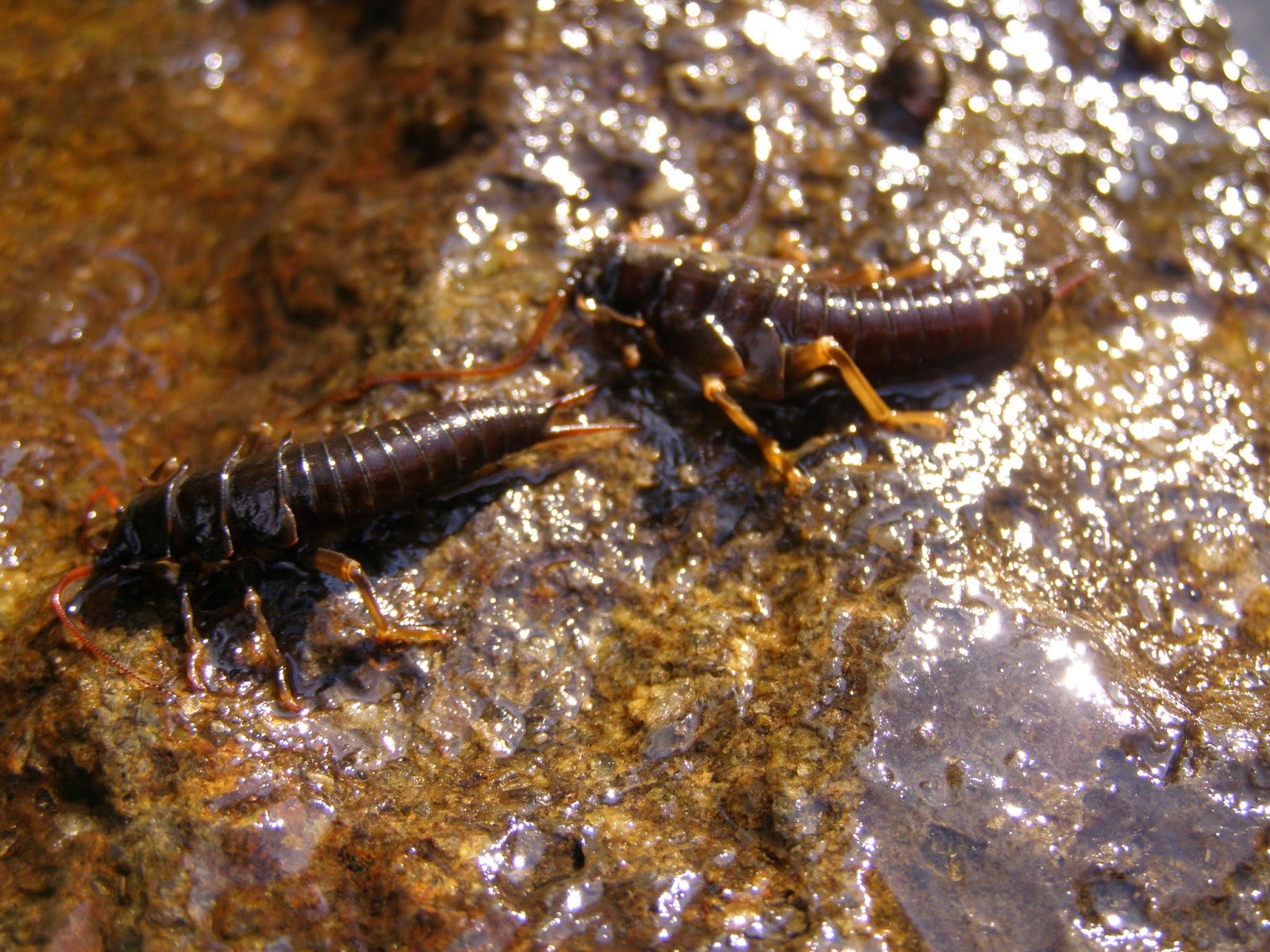
Salmonflies are hatching!!!!
Rainbow Trout fishing in the Deschutes River are getting all the attention right now.  Adult Salmonflies and Golden Stoneflies can be seen crawling in the brush and flying up through Maupin according to the recent reports.  Most trout have been focused on the nymphs, but the dry fly action should be getting better and better over the next few weeks.  Be prepared for fish to be on either the dries or the nymphs.  Trout can also be found eating caddis in the evenings and occasionally mayfly nymphs during the day.  The Green Drake hatch will be coming up soon, so it is a good idea to have a few patterns ready if you are going to be out on the Deschutes in May.  It can be very sporadic, anywhere between epic and nonexistent, but it sure sucks to be there when its happening with no matching flies.
Ryan is an addict, bass are his drug

Smallmouth Bass fishing has also been incredible lately.  Ryan and I snuck out last week and checked out a small impoundment on the side of the Columbia.  It was loaded with smallmouth bass, a few nice ones too.  The fish are not quite thick in the spawning shallows yet, they are moving through the infamous "transition zones". We caught plenty of bass on clousers and big woolly buggers and even a couple on poppers.  The big fish were still near the bottom in 5-6' of water and wanted the fly deep.

This spring salmon went
right onto the BBQ!
Steelhead fishing is poor to fair right now.  Anglers are reporting mostly "kelts" or post-spawn steelhead on their way back out towards the ocean on the Hood River.  There are a few fresh fish around, including a summer steelhead or two.  May can be pretty good for summer steelhead on the lower Columbia tributaries like the Cowlitz, Sandy, Clackamas and Kalama. Summer Steelhead don't move into the Gorge Tributaries like the Klickitat and Deschutes with any consistency until August.  Early season fish are more likely found lower in the system.  You can catch a fresh steelhead around here any day of the year, but there are definitely better times than others.

Spring Chinook are starting to move up the Columbia in decent numbers.  The mouth of the Wind River and Drano Lake (Little White Salmon) have had the best action so far.  This is mostly because the fish are staging in the colder water at the mouths of those rivers as they move up the Columbia.  The fish being caught are not moving upstream in those tributaries, just using the mouths as a staging area.

Our rivers in the Gorge typically don't see a big push of Chinook until mid-May, but there are definitely a few around.  Several of our regulars have reported hooking fresh springers in the Hood.  The Deschutes is now open from the mouth to Sherar's Falls as of today (May 1).  The Klickitat is only open to Lyle Falls (mile 1.4) and only three days a week.  (Monday, Wednesdays and Saturdays)  Springers are still not easy to catch on a fly rod, but I never underestimate a motivated angler with a big fly rod.

As always, we are happy to talk fishing any time.  Give us a call if you have any specific questions on local rivers, gear, and tactics, or if you just want some encouragement to get out of the office.

Local Water Flow Reports
Hood River:
Deschutes near Madras:
Deschutes at the mouth:
Columbia River water temperatures going through Bonneville Dam:


Andrew Perrault
Columbia Gorge Fishing Reports
Gorge Fly Shop | Product Specialist
541.386.6977


"Fly Fish the World with Us"

May 10, 2014

Fishing Report: May 10th, 2014 (+ Special Deschutes Report)

The weather last week was the biggest factor that affected the fishing last week. It was warm, then it rained, then it was warm, then it got really, really windy, then it rained again and then it got crappy…. If the weather can stay consistent for a few days, it will really help out the fishing. 

Chris Scott of Portland with a beautiful redside from the Deschutes May 7, 2014
Hood River: The Hood has been kicking out a few Steelhead and Chinook Salmon. Same problem as always… very little access available.

The Columbia is very high and has backed up the lower runs on the Hood River, leaving a lake where the most productive water is. A shot of rain on Thursday and Friday brought the Hood up to over 2500 cfs and should bring some fish in if anglers are willing to do a little exploring and walking. It drops quick this time of year and should be low and clear again within a day or two. Typically, 1200-1800 cfs at the Tucker Park gauge is a good level. http://waterdata.usgs.gov/or/nwis/uv?site_no=14120000

Fishing should be fair for early summer and late winter steelhead through May. Fishing for Chinook should continue to improve as water temps rise in the Hood and more fish show up. As always, catching Spring Chinook on the fly is not an easy task. If you are ever down for breaking out the spawn sacks, casting rods and bobbers, now is the time.

Other Lower Columbia Tributaries: The Wind, Drano Lake and the Lower Klickitat: The hatchery on the Wind River saw its first couple of fish last week, the hatchery on Drano had 242 fish as of May 6, and is expecting over 13,000, so get out there. Catching has been inconsistent. I trolled some plugs around Drano Lake for three hours and didn’t even see a hook up between the 20-30 boats circling around that evening; however, several people said that fishing had been really good in the morning. (You should have been here earlier!!!)

The Klickitat has been slow, hearing about a few caught in the Pine Tree Hole, fishing should really pick up this week. Another friendly reminder that it is only open on selected days below Lyle Falls, so DO NOT fish the upper river. There have been several reports of people fishing upstream. Please read the regulations and follow the rules so that everyone has the chance to enjoy. The rest of the river (up to the Yakama Nation Boundary) opens June 1 and should have a few steelhead and springers around when it does. The bulk of the steelhead won’t show up until August or September, and the run is predicted to be good this year.

Deschutes: Reports have been good. Salmonflies all the way up to Trout Creek. Fish were on dries down low. From Buckhollow to Beavertail on Friday, a single M’s Fluttering Salmonfly was all that was needed to consistently catch fish. Golden Stones were out too, along with some PMDs, Drakes, and Caddis, depending on the weather that hour…

Fish were not quite on the big dries up high, but its about to happen any second…. A friend of mine caught a bright steelhead way up high on a Jimmy Legs last week which made for a nice surprise. Fishing should be great for the next two weeks or so, although the crowds can get bad up above Maupin.

Sam Sickles Reports from the Deschutes


CFS 4350, water temps 54F...weather, well let's just say if you dont' like the water in Central Oregon then wait five minutes.  Rain, Sleet, hail, gail force winds, and yes calm and sunny, that's what yesterday was like.  This was my first trip on the upper Deschutes this season.  Got to the boat ramp early, put my rods together, double checked everything, loaded my boat and was so bored I asked Johnny Law for a safety inspection so I could get my sticker.

My guys showed up about fifteen minutes early, wadered up and after a brief lisence check by John Law we were off.  Did I mention we were the only boat launching from Warm Springs, crazy, I know!  Being that I hadn't been on the day stretch this year I figure it'd be a bit before we got dialed in on what the fish were eating.  First stop, nodda, second spot nodda...see where I'm going with this?  Well not so fast!

Three sticks fishing six bugs in the water we finally got our first fish about 11:AM.  This fish was extraordinary in it's proportions and skipped my first anglers set up and then crushed angler number two's jimmy legs nymph.  This is how it went most of the day, wide open river, slow fishing and all fish coming on the big rubber legged jimmy legs.  All told I think we landed ten or twelve really nice redsides, all on the big bug.  Did not hook a single whitefish which is odd givven the small beadheads we trailed behind Jimmy all day.
Salmonfly 5-9-14 (photo credit: Andrew Perrault - Gorge Fly Shop)
Here's what I know.  The adult Salmonflies and Golden Stones are present all the way up river to Warm Springs.  The fish are not keyed in on the adults yet.  Every fish we caught ate a stone immitation and every fish was gorged beyond belief.

Golden Stone 5-9-14 (photo credit: Andrew Perrault - Gorge Fly Shop)
Here's what I think.  As soon as there are more adults around than nymphs this thing is gonna bust wide open, probably next week when it warms up again.

My guys were fishing 590 and 690 Winston B3X's, Airflow Exceed lines, Sage Click reels.  I took the leaders down to 7.5 3x for the chuck and duck we were doing, definately easier to pitch than the standard 9 footers.

On a side note the access road down to TC boat ramp is in great shape!  Next report...next week.

Sam Sickles
Steelhead Outfitters

Lakes:

Fishing has been good on Laurence, Rowland, Horsethief and Kingsley Lakes. Trolling/stripping a woolly bugger or hare’s ear nymphs, or throwing a parachute adams when a callibaetis hatch goes off in the evening has been productive. Chironomid fishing should be successful on lakes.

Lost Lake was stocked on Thursday the 8th and catching has been good according to a quick call to Lost Lake Resort.

Goose Lake should be accessible within the next week or so as snow has been melting rapidly with this warmer weather. Expect good fishing when it becomes accessible.

Big Black Carpenter Ants should be flying with the first good heat of the year. Make sure you get a handful of patterns if you plan on hitting the higher elevation lakes like Lost, Laurence or Goose. Fish can go nuts on them when they are around. It’s a good option for an angler that may want to avoid the crowds on the Deschutes.

Bass fishing: Smallmouth fishing has been fair in the area although the Columbia River has been really high. Late May into Mid-June is the best time for a guy with a fly rod to catch some nice smallies from the shore of the Columbia. Reports of big smallies (is that an oxymoron?) on topwater in the John Day…. Big fish are around now, and fishing will get better. Average size will decline, but numbers will increase.

Give us a shout if you have any questions, need some fly recommendations or want more specific details about any of our local waters. 

Gorge Fly Shop Team

541 386-6977


"Fly Fish the World with Us"



Apr 28, 2014

Fly Fish the Salmonfly Hatch

Salmon fly Hatch | Fly Assortment
Hitting the Salmon fly hatch right can lead to one of an angler’s best days on the water ever. Memories of epic days of big trout eating dry flies with reckless abandon keep me awake at night, but also comfort me while I sleep. Some experienced anglers have never hit it right and don’t believe in these legendary 60+ fish days. Others have lucked into it and bring home these tales that are often doubted then shrugged off by friends and family.

Deschutes Salmon fly Hatch
There are many freestone rivers in the west that get a Salmon fly hatch, and a few that get a significant hatch. In some rivers, trout get most heir yearly caloric intake in a few weeks time. In our neck of the woods, the Deschutes River is our best chance at an amazing day.

The fishing during the Salmon fly hatch can actually be very difficult at times. I have guided clients on the Henry's Fork, South Fork Snake and Teton Rivers during these hatches. I have actually had some of the toughest days ever with some stellar fishing sporadically dispersed throughout the two weeks of the hatch.

One memorable day
One memorable day on the Henry’s Fork in 2008, the Salmon flies were crawling, flying, swimming and falling everywhere. It was not a day for the squeamish. Bugs were all over everything, but fishing was tough… why? Well, the two fish we caught were bulging; as fat as a fish can be. The first one backed down my Rogue Salmon for ten seconds before committing. You could feel the Salmon flies in its stomach; crunching and distending its already large belly. The fish had eaten all they wanted for the day and were really just being picky and lazy. This often happens for a day or two, and then the fishing turns on again with hive-like mentality.

My best days were always a few days before the adult Salmon flies started coming out in numbers.

Get Ready!
Before the hatch gets going really well, the fish are less picky and more hungry. As the nymphs get crawling towards shore, trout can become stupid. My favorite rig for this time of year is a hopper/dropper combination, with a Rogue Salmon or Henry’s Fork Salmon fly (think big and foam) as the hopper, with a Jimmy Legs, Girdle Bug or Lex’s as a dropper (heavy, but not sink-your-foam-fly heavy). With the nymph 3 feet or so under the foam fly, you can search effectively to find out if they are eating the dries yet or still focusing on the nymphs. Fish can often be tucked in close to the bank at this point as they are intercepting nymphs as they approach their fate on the rocks and trees on the shoreline.

With some luck and the right conditions, fish have started looking up for their food, hopeful for an early adult Salmon fly to munch on. If this happens, you can often take the nymph off and replace it with another dry, like a Norm Woods or a Salmon stimulator, something that contrasts the first bug. If my lead fly is foam, then my second fly is going to be a traditional hackled fly. Show them two different bugs, and don’t be afraid to switch it up early and often, and try to keep the bug that is working best while switching others until you are successful.


NOTE: I don’t condone throwing more than two flies, but an experienced angler should be able to throw a big dry with two (or more) nymphs…. Just don’t call me from the river with a mess of monofilament on your hands.


Within an hour or so, you should know where the fish are focusing. If you have seen little or no surface action, take off that dry and replace it with and indicator. Add a second nymph to your rig and get it down to the fish. If you are a few days too early, dragging a Jimmy Legs with a San Juan worm as a trailer along the bottom has been very productive for me. Two different contrasting Salmon fly nymphs is also a good idea.

The best time to fish during the hatch is morning. I am not a six a.m. type of guy, and neither are Salmon flies. The best fishing for me has always been between about 9:00 a.m. and 1:00 p.m. The bugs start moving when the water starts warming up; after the sun has hit the water. If there is a lot of food coming down the river, whether adults or nymphs, the fish tend to fill up by the afternoon and fishing often shuts down. There is often a nice window of feeding activity mid-morning. This is not always the case and I am sure others will argue with me about that, but I am relating my experiences. This all depends on how far along the hatch is and how prolific the hatch is on any given river.

Towards the end of the Salmon fly hatch, the fish do tend to be full, fat and lazy. It can often be painful to see all these insects around and have very little activity on the water. The feeding window is smaller and more sporadic. Maybe fish eat a few bugs in the morning and then a few in the afternoon.

When this happens, you can look forward to the next hatch. The Golden Stone flies are often right behind the Salmon flies, along with PMD's or other various Mayflies depending on your location. My go-to rig when fishing the tail-end of the Salmon fly hatch is a #10 Yellow Madam X or a Rogue Golden with a #16 Tungsten Bead Pheasant-Tail dropper, adding a #18 Red Copper John if you are feeling like flirting with disaster. It’s like bringing out the cheesecake when the main course is still on the table. There will always be a couple of takers.

Rigging up:

Tips for rigging up for the hatch:

I use a 9’ 6wt or 7wt rod during this time of year for two reasons. The first is that I will be throwing set-ups with multiple large flies. I want to be able to quickly pick up a big set-up and cast it accurately with no false casting. A fast-action 6 wt. like a Sage One or G. Loomis NRX is a perfect rod for the Salmon fly hatch. 4 and 5 wt rods just don’t have the backbone to pick up heavy rigs and cast them with any accuracy; you will be spending too much time and energy false casting with a smaller rod. This is a battle I have fought with many friends over the years that love fishing their 4 wt rods, but then they can’t cast quickly and accurately, ultimately costing them fish without knowing it.

I use 7.5’ 2x trout leaders. I haven’t found the trout to be all that leader-shy during the hatch. Due to the weight and wind-resistance of big Salmon fly patterns, I would never use tippet smaller than 3x to a large foam fly. In some high-traffic rivers, using longer, smaller tippet/leaders, like a 9’ 4x leader, is a common strategy for spookier trout, although a 7.5’ allows easier pick up those heavy rigs more easily and accurately than with a 9’ or longer leader. For better or worse, I tend to change flies and make longer casts before I change up my leader/tippet setup. I rig up a #2-4 Rogue Salmon directly onto the 7.5’ 2x leader, and then drop a #4-6 Jimmy Legs 3-4’ off of the Rogue with 3x tippet. If fishing is tough or the hatch just isn't happening, I add a small nymph like a san juan worm, #14-18 pheasant tail or #18 red copper john off the jimmy legs using 4x tippet. With the addition of the second nymph, you now have the dreaded triple-rig, universally feared by trout guides everywhere. Only continue with this if you are going to be able to cast it without tangling….

The second nymph should be 12-20” from the first nymph. Always tie the tippet to bend of the hook on the upper fly with a simple clinch knot. Some people tie their dropper onto their upper fly using the eye of the upper fly, but I think that it swims at a weird angle when tied like that. Using the method outlined above, I have never had the dropper slide off, and the knot rarely, if ever fails using this method. If fishing an indicator and nymphs, I use a large ORANGE indicator (1” thingamabobber or equivalent). I then add about 12-18” of 3x tippet to that 7.5’ 2x leader. The Jimmy Legs is my go-to Salmon fly and Stone fly nymph. I always make sure to taper down the size of the flies so that the lead fly is the largest and the last fly is the smallest. With large nymphs and the nature of fish eating stone flies in fast, shallow water, you usually do not have to have more than 4-5 feet of leader between the indicator and the first fly. 
Get your fly arsenal ready...
No matter where you go, if the Salmon flies are there, then you have a chance at hooking fish at their fattest, strongest point of the year. Often, fish come out for this hatch that cannot be caught during the rest of the year. Fish of monstrous size often show up out of the depths just for this hatch, then go back to eating other fish for the rest of the year. Now get ready, start tying, and get out there!

Andrew Perrault
Gorge Fly Shop


 "Fly Fish the World with Us"


Visit our Relaunched Steelhead Only Site

Shop Gorge Fly Shop & SteelheadBum.com

  © 'and' Steelhead.com Mike Prine 2009-2014

Back to TOP